

Discover Ronda's Old Town
The historic center of Ronda is a maze of ancient pathways, breathtaking viewpoints, and legends waiting to be discovered. Let me show you the places that make people fall in love with this city every day.
Understanding Ronda's Old Town
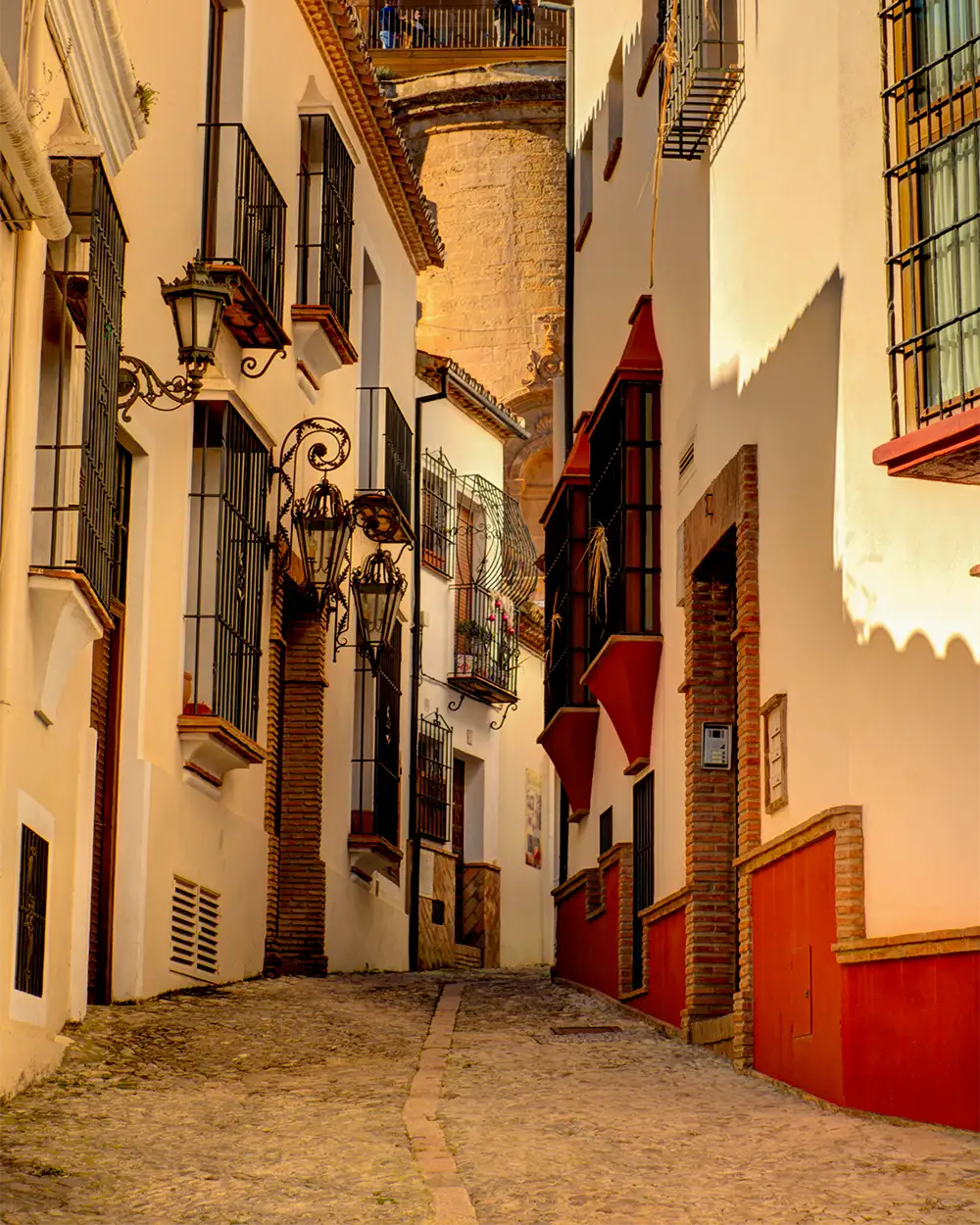
The Old Town extends south from the Puente Nuevo, occupying the original site of the Moorish medina. This historic quarter, perched dramatically on a clifftop, showcases the architectural genius of Arab engineers who knew how to build cities that blend seamlessly with their natural surroundings. The area was designated a Historic-Artistic Site in 1966, and it’s easy to see why—every street corner reveals another architectural gem.
What struck me most during my visits is how the intricate streets gradually unveil these treasures. Unlike more touristy historic quarters where attractions feel staged, the Old Town maintains an authentic Andalusian atmosphere where locals still live, work, and socialize.
Top Attractions in the Old Town
Plaza Duquesa de Parcent
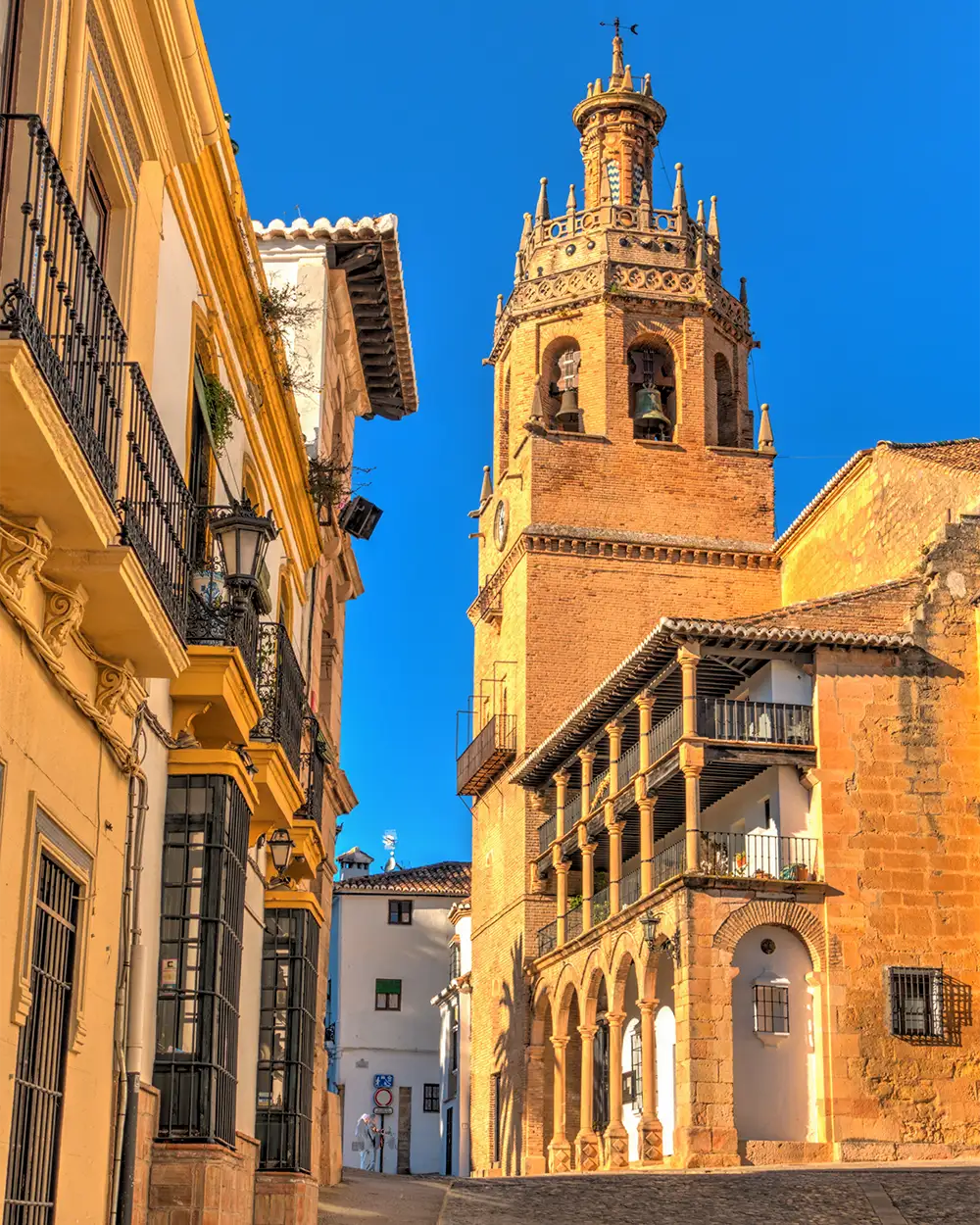
For me, this is the most beautiful plaza in all of Ronda. During the Arab era, this square housed the city’s most important buildings: the main mosque, the souk, the prison, and the alcazar. Today, it’s surrounded by impressive monuments that tell the story of Ronda’s layered past.
The Church of Santa María la Mayor dominates the plaza as its main protagonist. Built atop the remains of the major mosque, this church beautifully blends Gothic, Renaissance, and Mudéjar styles, incorporating elements from the original mosque. I highly recommend paying the €4.50 entrance fee to climb the tower—the panoramic views are absolutely worth it.
The square also features the Town Hall and the charming Parque Duquesa de Parcent, a lovely spot where you can rest under the shade of trees while soaking in the historic ambiance. Every corner here smells of history, and the walkways offer glimpses of the valley below.
Mondragón Palace
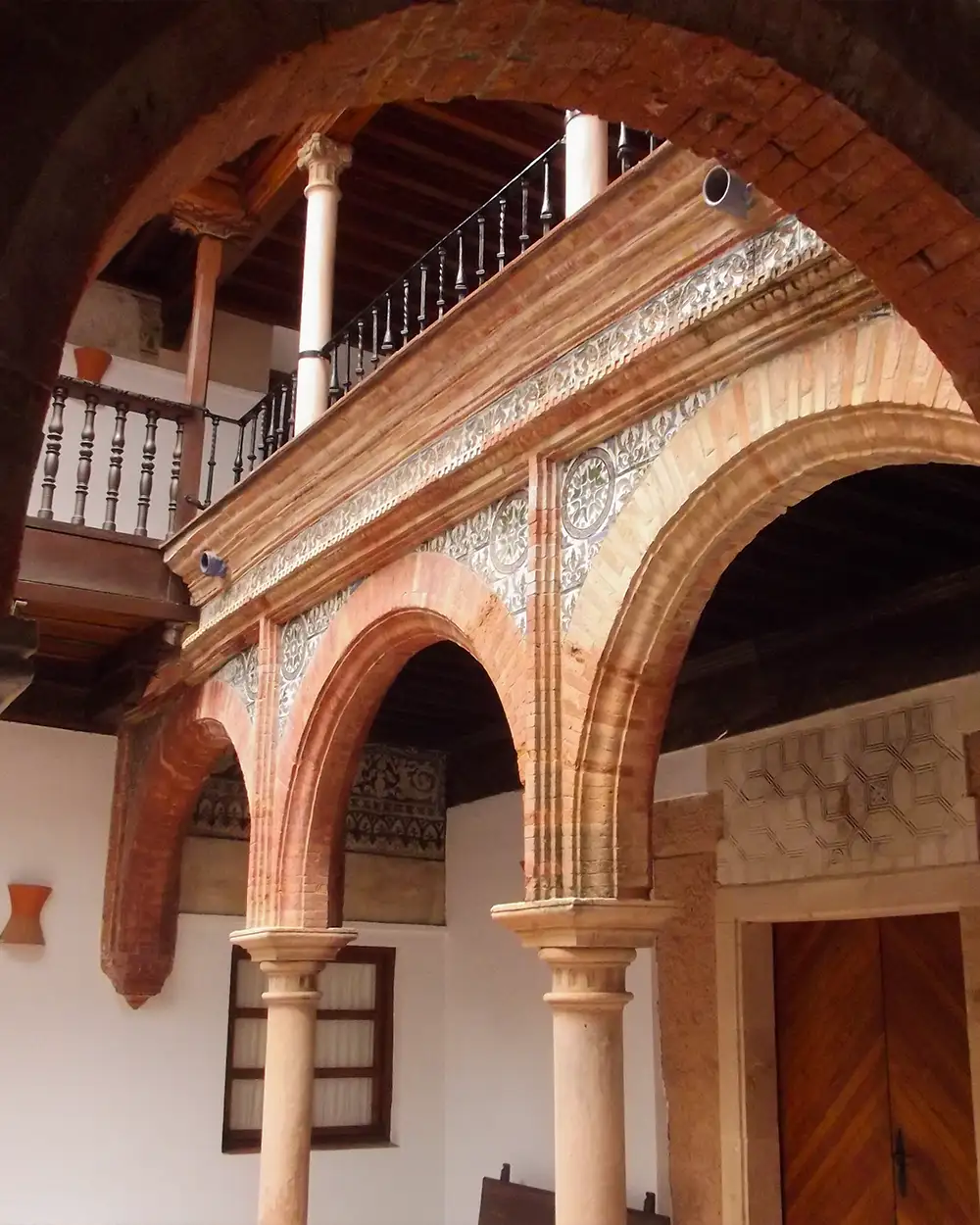
The Mondragón Palace genuinely impressed me and houses the Municipal Museum of Ronda. This architectural jewel combines Mudéjar and Renaissance styles and was once home to Abd al-Malik, son of the King of Morocco, who aided the Nasrid Kingdom of Granada that governed this area in the 14th century. After the Christian conquest, the Catholic Monarchs themselves lodged here.
Today, the palace museum displays Roman artifacts, Muslim pieces, and prehistoric remains. The gardens are absolutely stunning, with spectacular views overlooking the Tajo gorge. Take your time wandering through the courtyards—they’re perfect examples of Andalusian palatial architecture.
Casa del Rey Moro
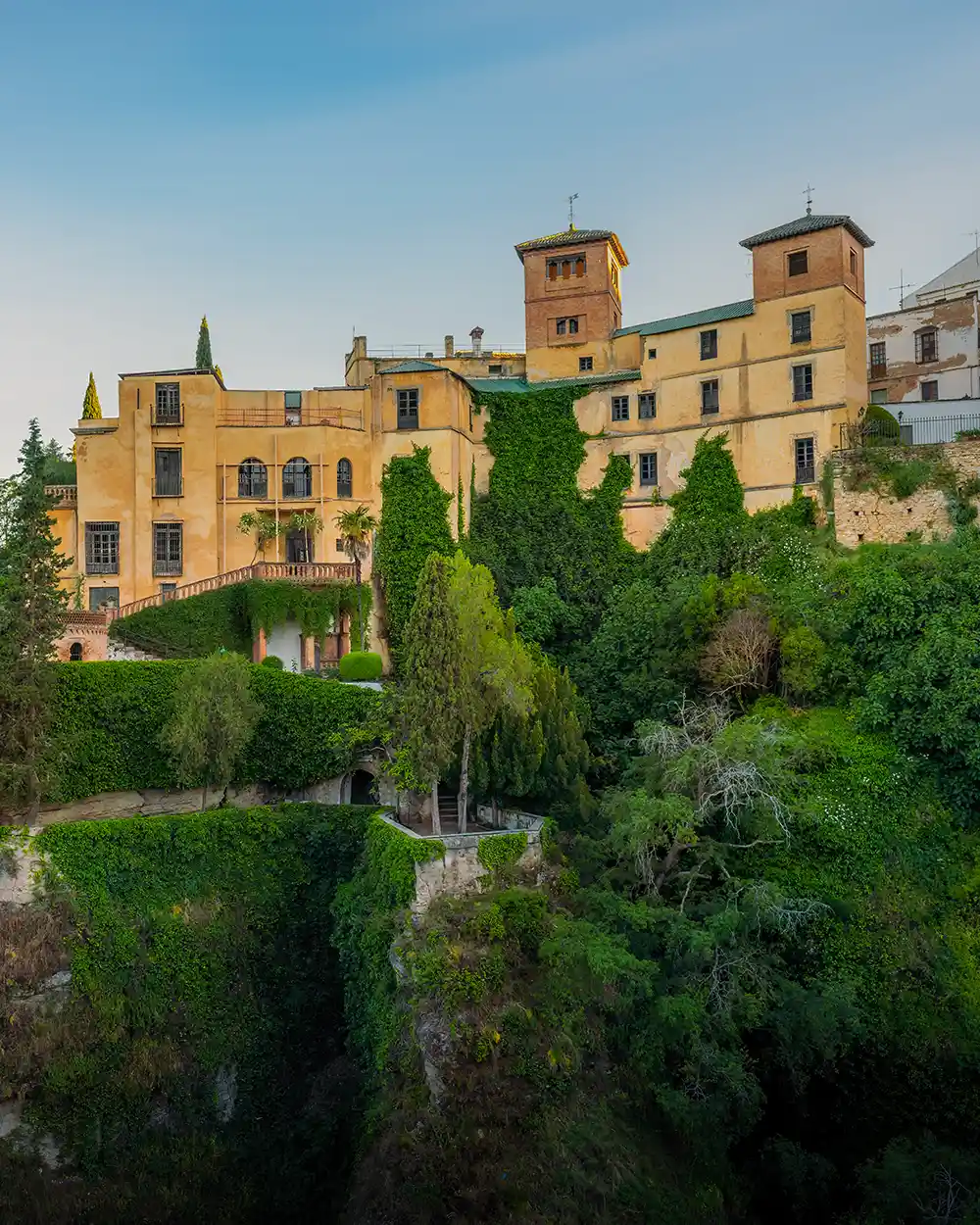
Don’t let the name fool you—despite being called the “House of the Moorish King,” this is actually a 17th-century palace built into the gorge of the Guadalevín River. What makes this place truly special are the hanging gardens designed by French architect Jean-Claude Forestier (the same architect who created Seville’s María Luisa Park) and La Mina, an ancient water mine from the Nasrid period.
I won’t lie to you—descending La Mina involves more than 200 steps carved into the rock down to the river’s edge, but the experience is unforgettable. This is the best-preserved water mine from this era in all of Andalusia. The entrance costs around €10, and currently, you can only visit the gardens and the mine, not the palace interior, but it’s still absolutely worthwhile. The views of the gorge from here are breathtaking.
Casa de Juan Bosco
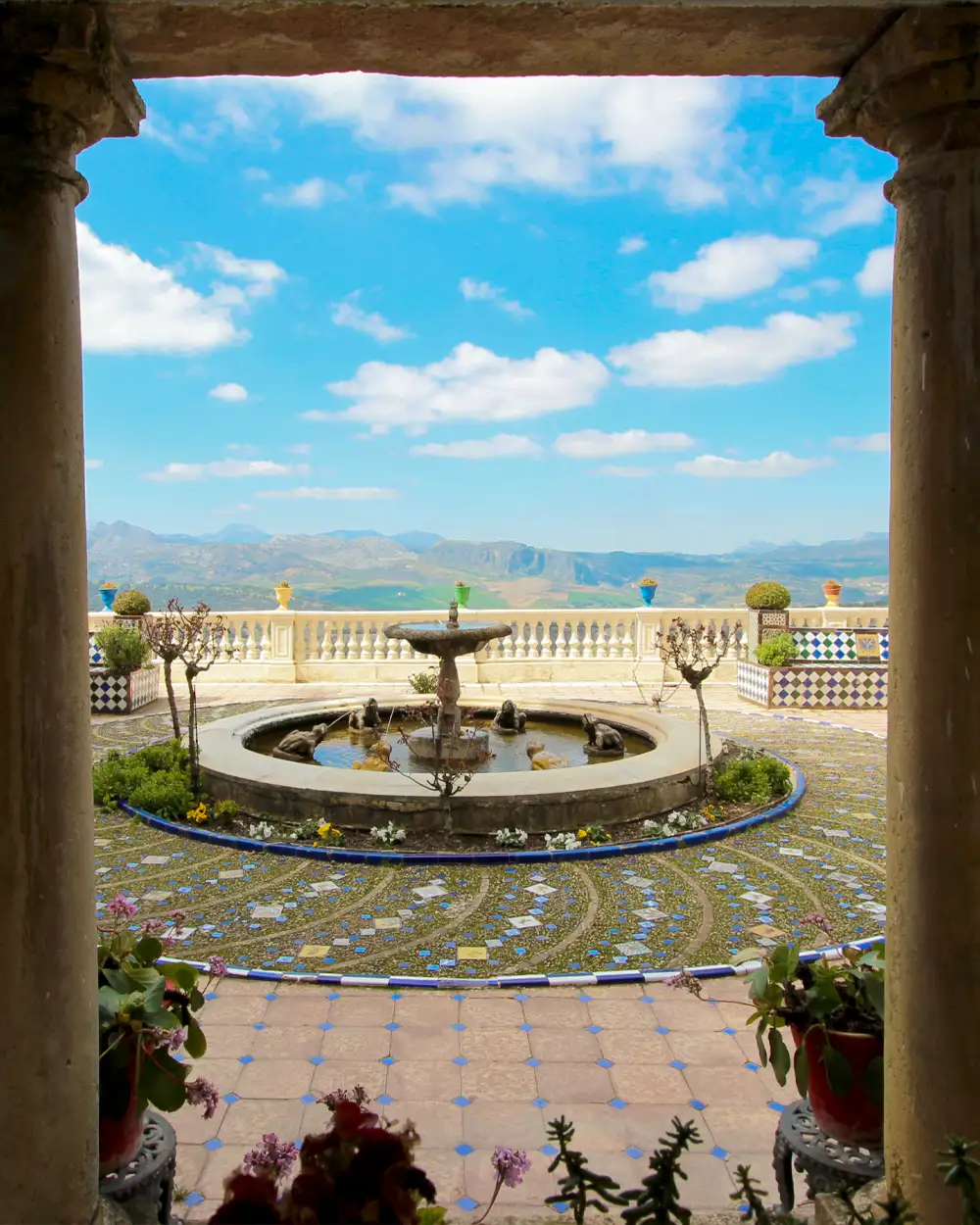
This beautiful mansion from 1850 (remodeled in the early 20th century with modernist touches) completely surprised me. I had no idea Ronda hid such gorgeous places behind the walls of its historic homes. The gardens are precious, and the views from the terrace are truly top-tier. It’s one of those places that makes you understand why Ronda captivated writers like Ernest Hemingway.
Casa del Gigante
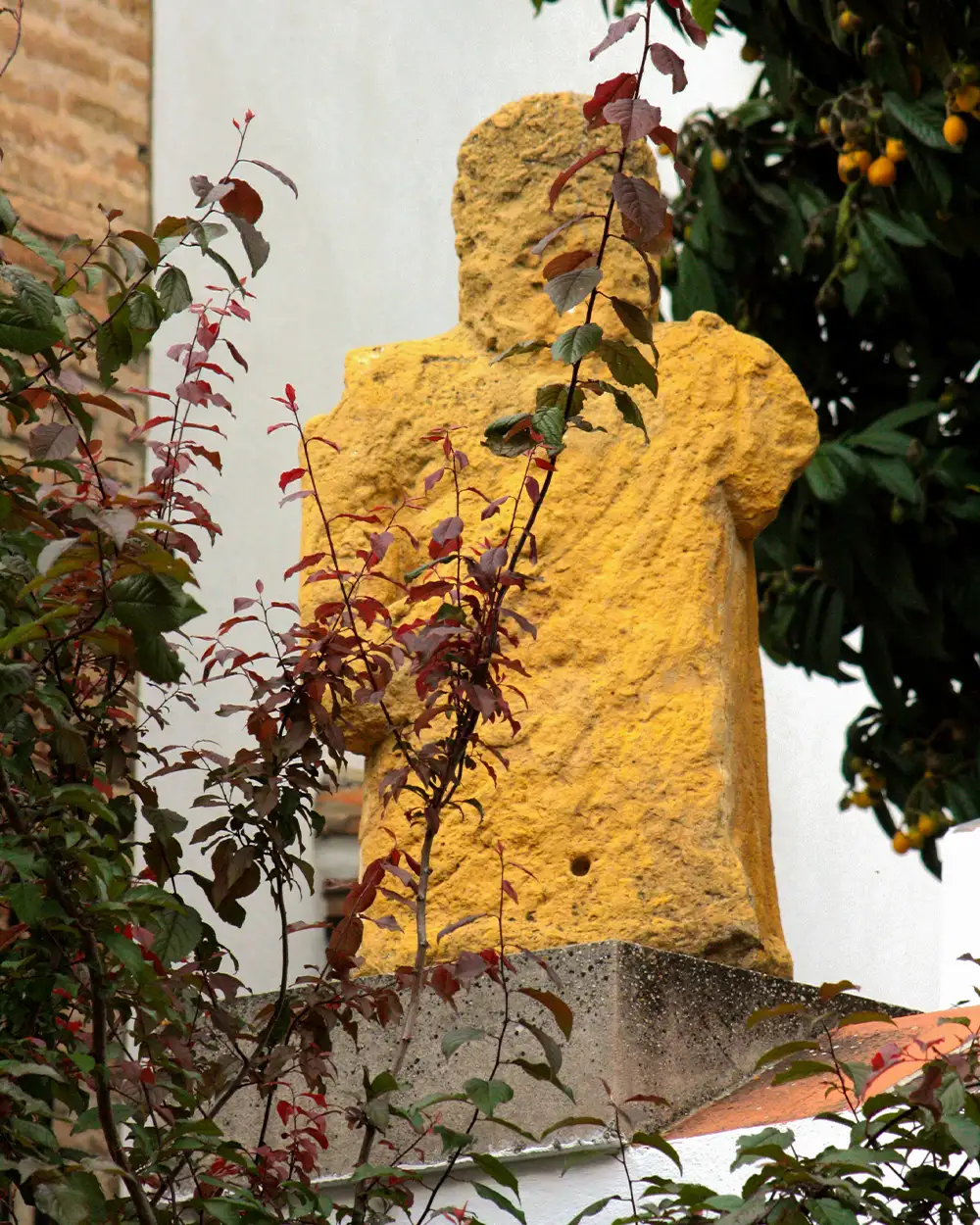
Built in the 13th century, this Nasrid-style house gets its name from two large figures that once decorated it (only one remains). In the 19th century, it served as an orphanage. While it’s been renovated and is open to visitors, I found it less impressive than other palatial houses in the Old Town. However, it’s worth a quick visit.
Alminar de San Sebastián
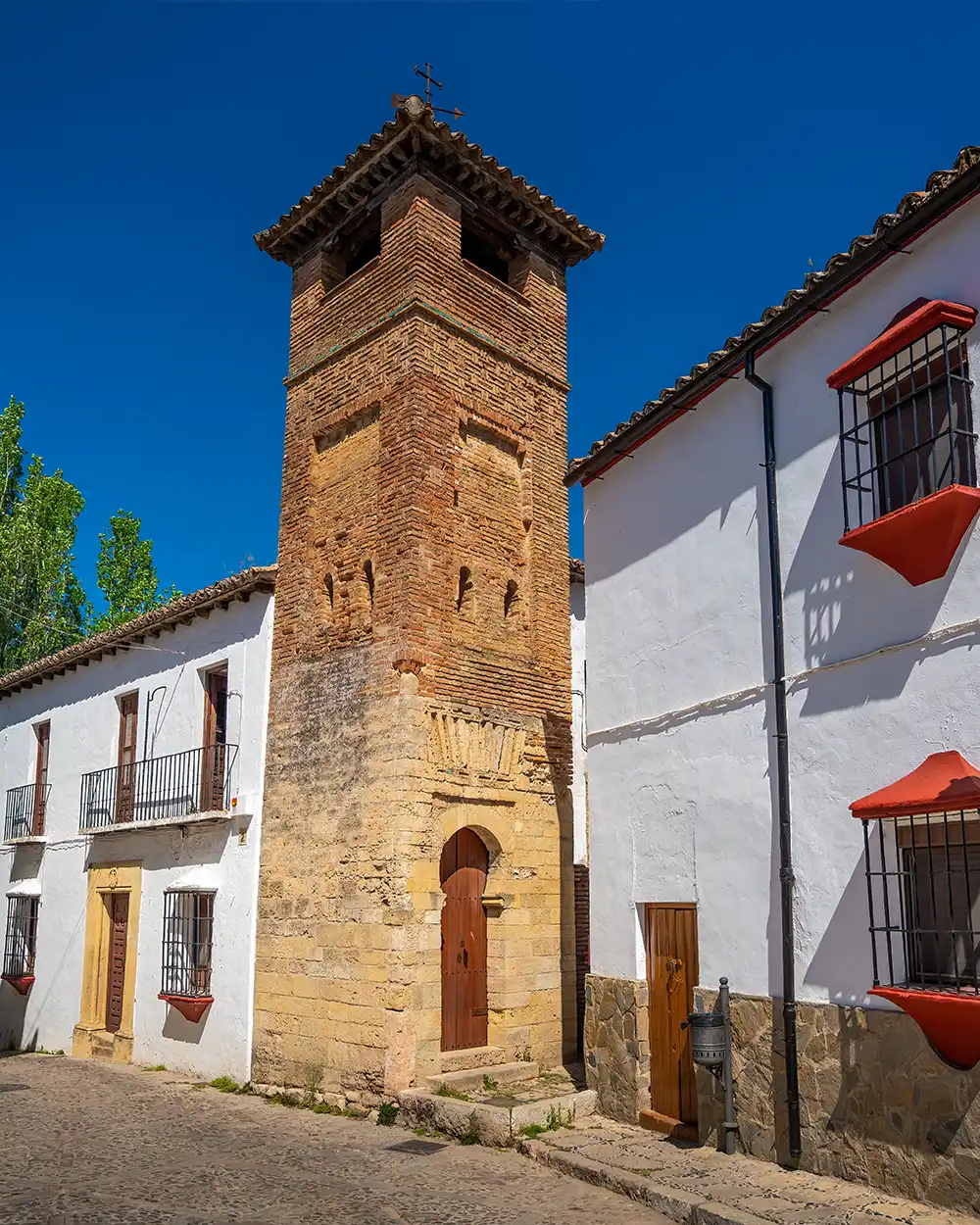
This minaret from an ancient mosque stands out beautifully among the white houses in the heart of the Old Town. The lovely entrance arch, made of stone and brick, is a photogenic reminder of Ronda’s Arab past. You can walk along Calle Armiñán to reach it—it’s one of those small architectural jewels that the intricate streets gradually reveal.
Viewpoints Not to Miss
Puente Nuevo Viewpoint
Before diving into the monuments of the Old Town, you absolutely must see the Puente Nuevo from below. From Plaza María Auxiliadora, a path descends to a viewpoint where you get stunning views of the bridge’s impressive 98-meter height.
Walking the Walls
Don’t miss the opportunity to walk along portions of Ronda’s walls. The city occupied a strategic position during the Andalusian period and was surrounded by fortifications that still stand today as reminders of the area’s warlike past. The Muslim architectural style is evident in the Puerta de Almocábar. Behind the latter, you’ll see the Church of the Espíritu Santo rising up—it looks more like a fortification than a church and was built by order of the Catholic Monarchs themselves on the site of an ancient mosque.
Museums Worth Your Time
Museo Lara
If you’re into museums, the Museo Lara in a palatial house is fascinating. It features 12 rooms with diverse collections including one about the Spanish Inquisition, archaeological artifacts, cinema, and photography. The variety of antiques and art here is genuinely impressive—there’s something for everyone.
Palace of the Marqués de Salvatierra
This Renaissance palace is declared a Cultural Asset and Spanish Historical Heritage site. While you can’t visit the interior, the exterior is worth admiring. Walk up Cuesta de Santo Domingo from Casa del Rey Moro to see it—the facade is particularly striking.
Exploring Beyond the Main Sights
Puente Viejo and Padre Jesús Neighborhood
I saved one of the city’s most beautiful spots for last. The Jardines de Cuenca are structured in terraces at different levels, offering spectacular views of the city and the surrounding countryside. According to what I’ve read, they were built to commemorate the twinning with the city of Cuenca. It’s a peaceful spot perfect for contemplating Ronda’s dramatic setting.
From the gardens, you can easily reach the Puente Viejo (Old Bridge)—Ronda has more than one emblematic bridge, after all. This bridge offers spectacular views of the Guadalevín River and provides a completely different perspective of the gorge than the Puente Nuevo. It was built to connect the old Islamic medina during the Arab period.
Cross the Puente Viejo to explore the Padre Jesús neighborhood, where you’ll find pleasant stops like the Fuente de los Ocho Caños and the Church of Padre Jesús, which houses one of the most venerated figures in Ronda’s Holy Week: the Padre Jesús Nazareno. This walk from the gardens through the bridge to the neighborhood makes for a perfect ending to your Old Town exploration, especially at sunset when the light bathes the gorge in golden hues.
Arab Baths
Located near the Arab Bridge (officially Puente de San Miguel), these ancient baths still transmit tranquility and the splendor of bygone eras, even though the original decoration—marble, paint, and mosaics—has been lost. Personally, I didn’t find them worth the entrance price for what you actually see inside, but if you’re passionate about Moorish architecture, they might interest you.
Callejón de los Tramposos
Next to the Plaza Duquesa de Parcent, this photogenic alley is a must for your Instagram. Its name (“Alley of the Cheaters”) adds a touch of intrigue to your photos.
Don't Miss Anything!
On our free map of Ronda you can find the most important attractions in the city.
Practical Tips
Where to Eat in the Old Town
The Old Town offers numerous dining options ranging from traditional taverns to upscale restaurants. Look for establishments along the streets radiating from Plaza Duquesa de Parcent and near the walls. Traditional Ronda cuisine includes rabo de toro (oxtail stew), local cheeses, and mountain-cured meats.
For an authentic experience, seek out small family-run taverns. The best meals I’ve had in Ronda were in unassuming spots where the menu del día showcased traditional recipes passed down through generations.
Where to Stay in the Old Town
Staying in the Old Town allows you to experience Ronda’s magical atmosphere when the day-trippers leave. The neighborhood has several charming boutique hotels in converted historic mansions, offering an authentic experience. Many feature interior courtyards, traditional Andalusian tiles, and rooms with views of the gorge or mountains.
Small guesthouses and vacation rentals are also scattered throughout the neighborhood, often in historic buildings with original architectural details preserved.
Understanding Ronda's Past
To truly appreciate the Old Town, it helps to understand Ronda’s layered history. While prehistoric remains including Neolithic cave paintings have been found in the area, Ronda’s origins date back to the 6th century BC when Celts called it Arunda.
Years later, the city was conquered by Greeks and then Romans, who called it Ronda in the 1st century BC. Muslims conquered Ronda in 713 AD and held it until 1485, when King Ferdinand the Catholic achieved Christian conquest. The Arab period left the deepest architectural mark on the Old Town, which is why you’ll see so many Moorish elements incorporated into later Christian buildings.
In the 18th century, the famous Puente Nuevo and the bullring were built, both works of architect Martín de Aldehuela, marking Ronda’s expansion beyond the medieval walls.
Ronda’s Old Town is not just a collection of monuments—it’s a living, breathing neighborhood where history reveals itself around every corner. The robust walls protect an urban fabric that surprises with its multiple charms, and the integration of architecture with the dramatic natural landscape is simply stunning.
Walking these streets is like taking a journey through some of the most important remnants of Spanish history while enjoying enchanting scenery. Whether you’re admiring the Nasrid architecture, exploring palatial gardens, or simply getting lost in the maze of whitewashed streets, the Old Town offers an authentic glimpse into Andalusian heritage.
Take your time here. Sit in a plaza with a coffee, watch the light change on the ancient stones, and let the Old Town work its magic on you. This is Ronda at its most authentic—and it’s absolutely unforgettable.
Frequently asked questions
Can I drive my car through Ronda's Old Town?
No, the Old Town has significant traffic restrictions. Most streets are pedestrian-only or limited to resident vehicles. There are paid parking lots near the Puente Nuevo where you should park before exploring on foot. The narrow medieval streets weren’t designed for modern vehicles anyway.
How long does it take to see Ronda's Old Town?
ou can cover the main sights in 3-4 hours, but I recommend spending at least a full day to truly experience the neighborhood without rushing. If you want to visit multiple museums and palaces inside, plan for 6-8 hours.
What's the difference between the Old Town and the rest of Ronda?
The Old Town (Ciudad Vieja) is the historic center of the city, dating back to the Moorish medina. The “new town” (Ciudad Nueva) north of the bridge developed after the Christian conquest and includes the bullring and more modern streets. The Old Town has more Moorish architecture and medieval atmosphere.
Are there guided tours of the Old Town available?
Yes, several companies offer walking tours of the Old Town, including free walking tours where you pay what you think it’s worth at the end. These tours are excellent for understanding the history and discovering hidden corners you might miss on your own. You can book tours through GetYourGuide or Viator.