

Attractions to see in Ronda
- Home
- Attractions
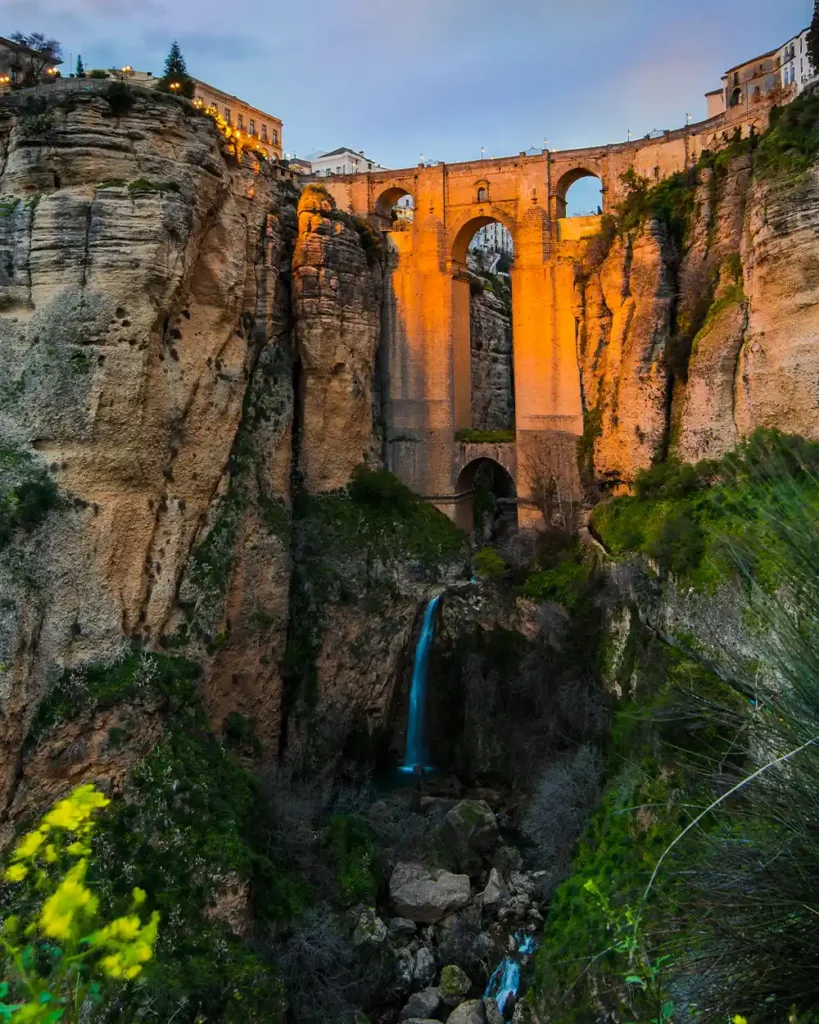
Puente Nuevo
Spanning a dramatic 328-foot gorge, this iconic 18th-century bridge took 40 years to build and once housed a torture chamber during the Civil War—now it’s Ronda’s most photographed marvel from countless viewpoints.
- 1-2 hours
- Free
- Next to Plaza de España
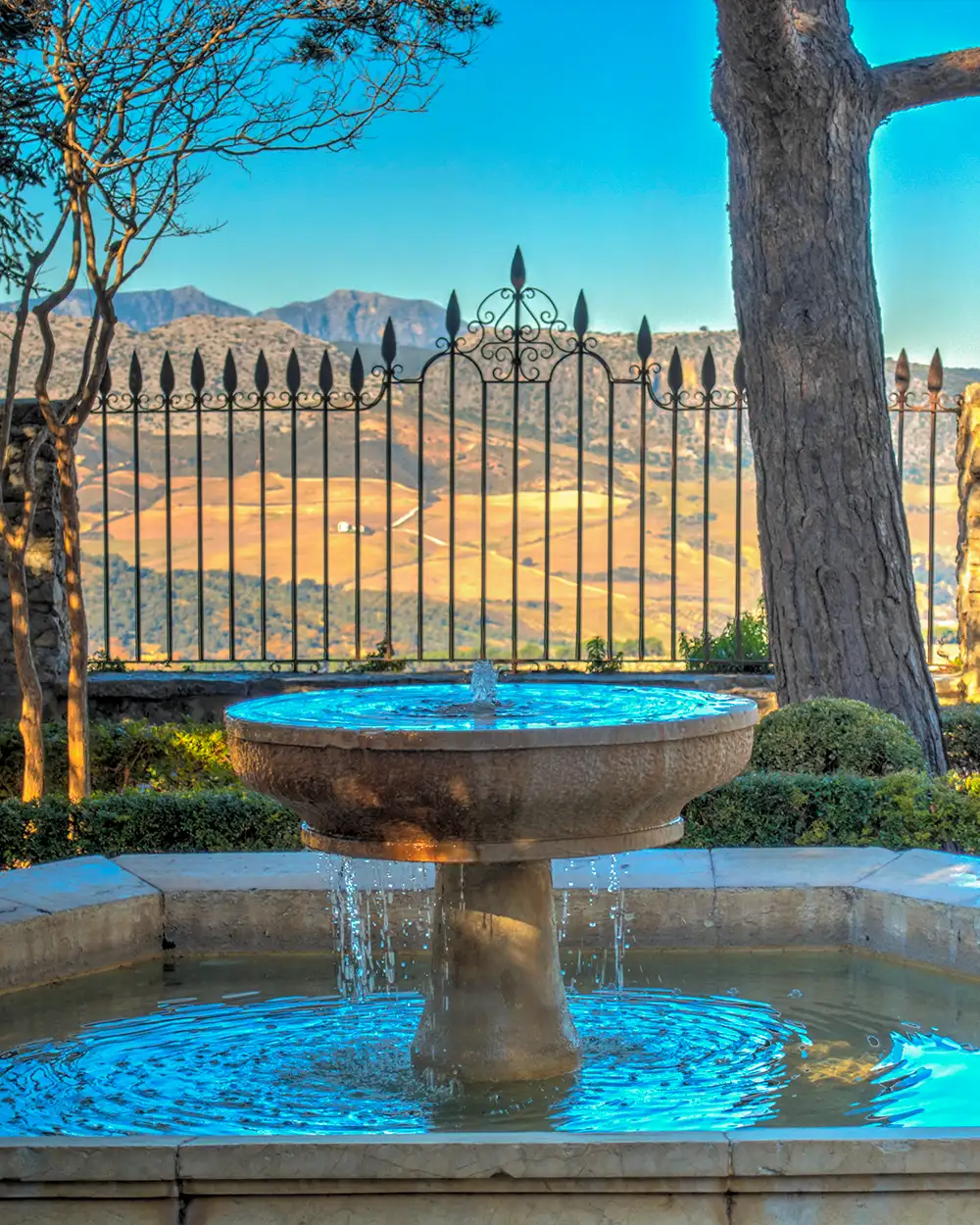
Alameda del Tajo
Shaded gardens along the gorge where locals gather on benches under century-old trees lead to Paseo de Los Ingleses, offering spectacular sunset views over the surrounding plains and distant mountains from peaceful viewing platforms.
- 30-45 min
- Free
- Beyond Plaza de Toros
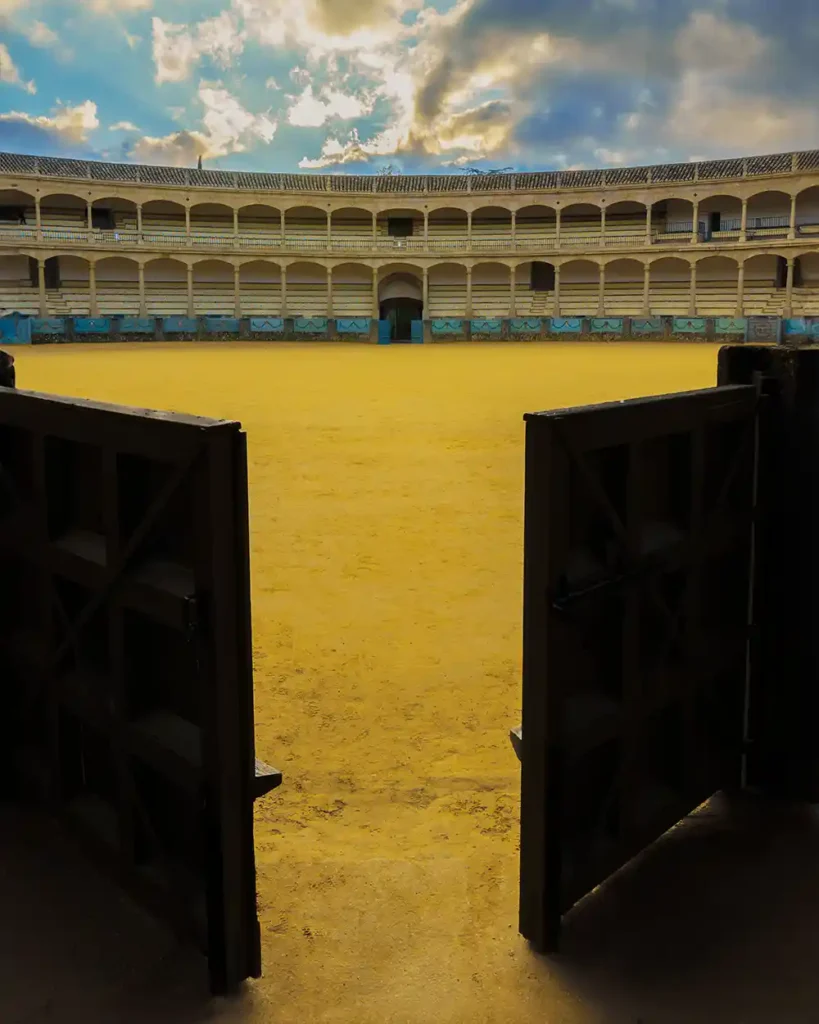
Plaza de Toros
Spain’s oldest all-stone bullring designed by the same architect as Puente Nuevo features elegant sandstone columns, a comprehensive bullfighting museum, and Ernest Hemingway’s statue overlooking the plaza where he found inspiration.
- 1 hour
- $8-10
- Adjacent to New Town
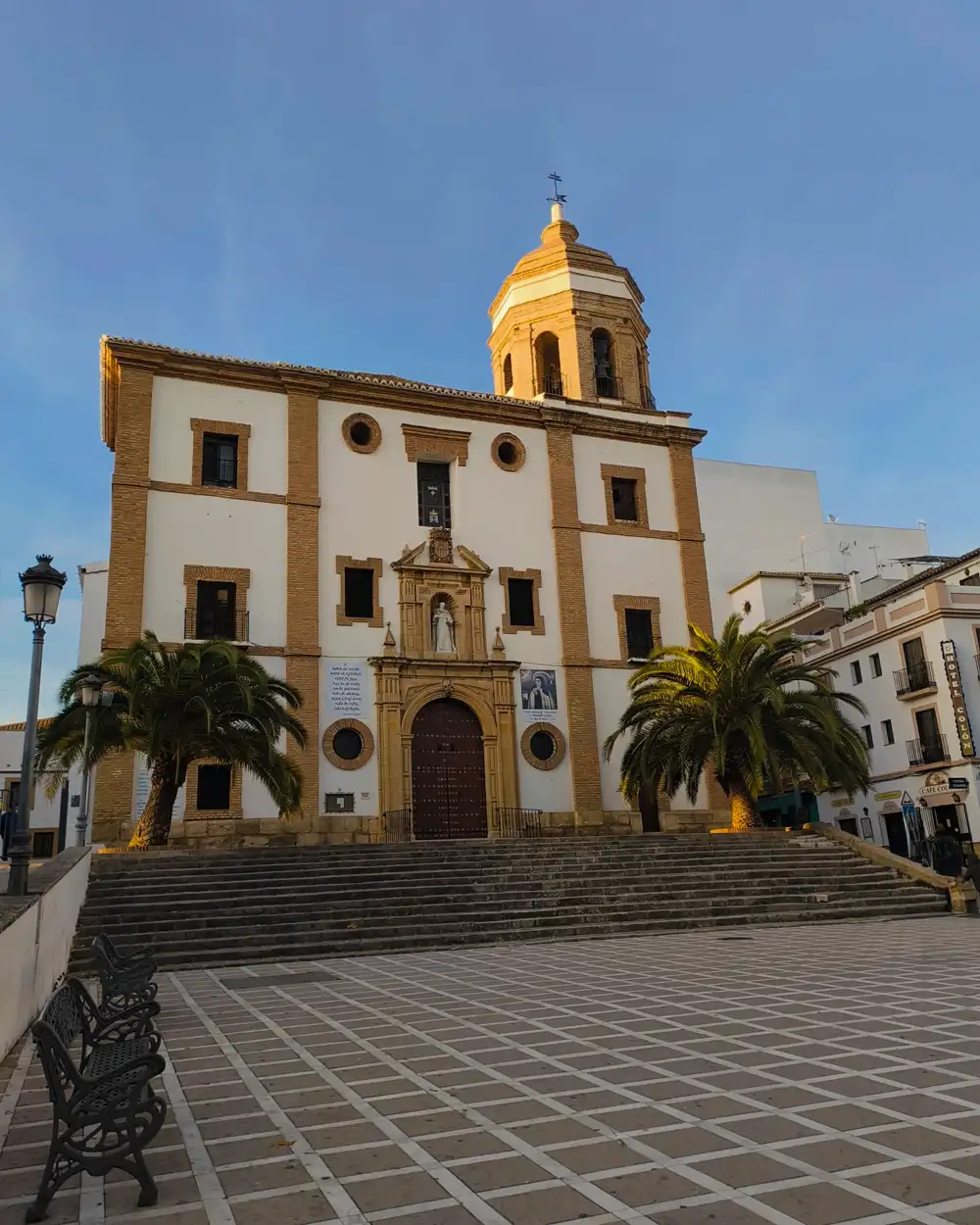
Church of Our Lady of Mercy
Late 16th-century church with three naves, an octagonal brick bell tower, and housing Spain’s most revered relic—the incorruptible hand of Saint Teresa—visitors can also purchase traditional pastries made by cloistered Carmelite nuns.
- 30-45 min
- Free
- New Town, near Alameda

Casa del Rey Moro
This isn’t a polished, sanitized tourist palace. You’re walking the same steps that medieval slaves walked, descending into a genuine piece of 14th-century military engineering that helped determine the outcome of sieges and battles.
- 45-60 min
- $10
- Historic center
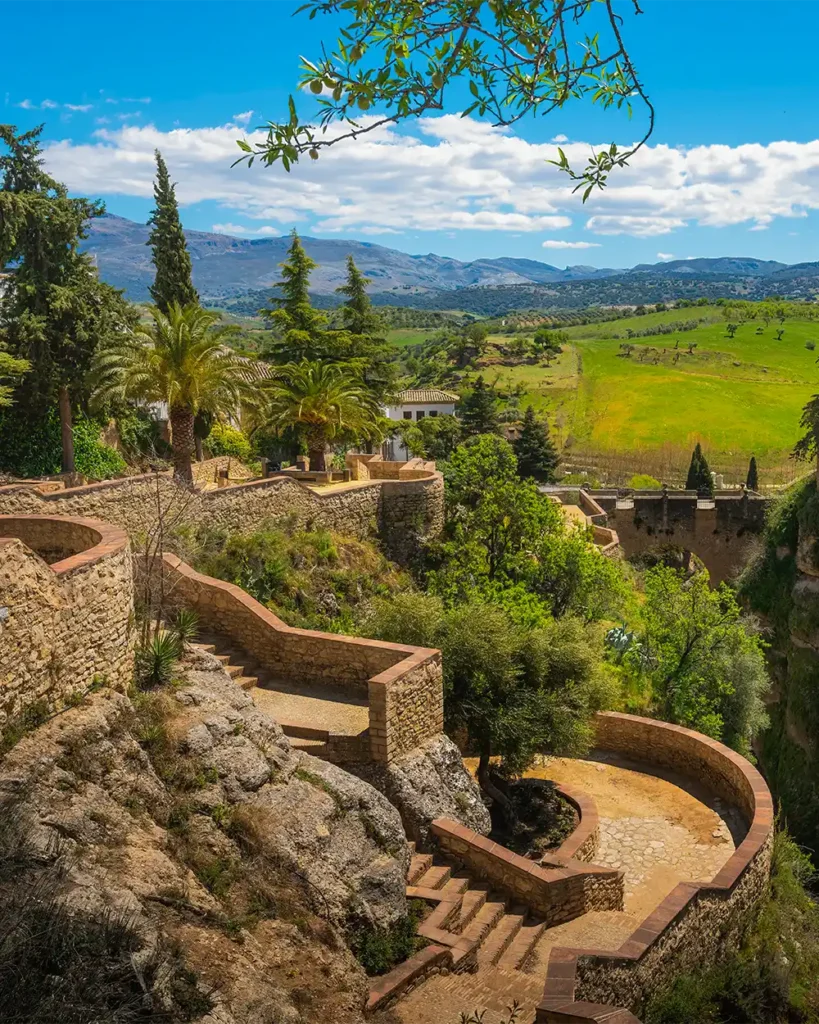
Jardines de Cuenca
These free, beautifully illuminated gardens provide an intimate escape from the tourist crowds, where you can experience Ronda’s dramatic landscape from angles that will completely change how you see this city.
- 30-45 min
- Free
- Near Puente Viejo
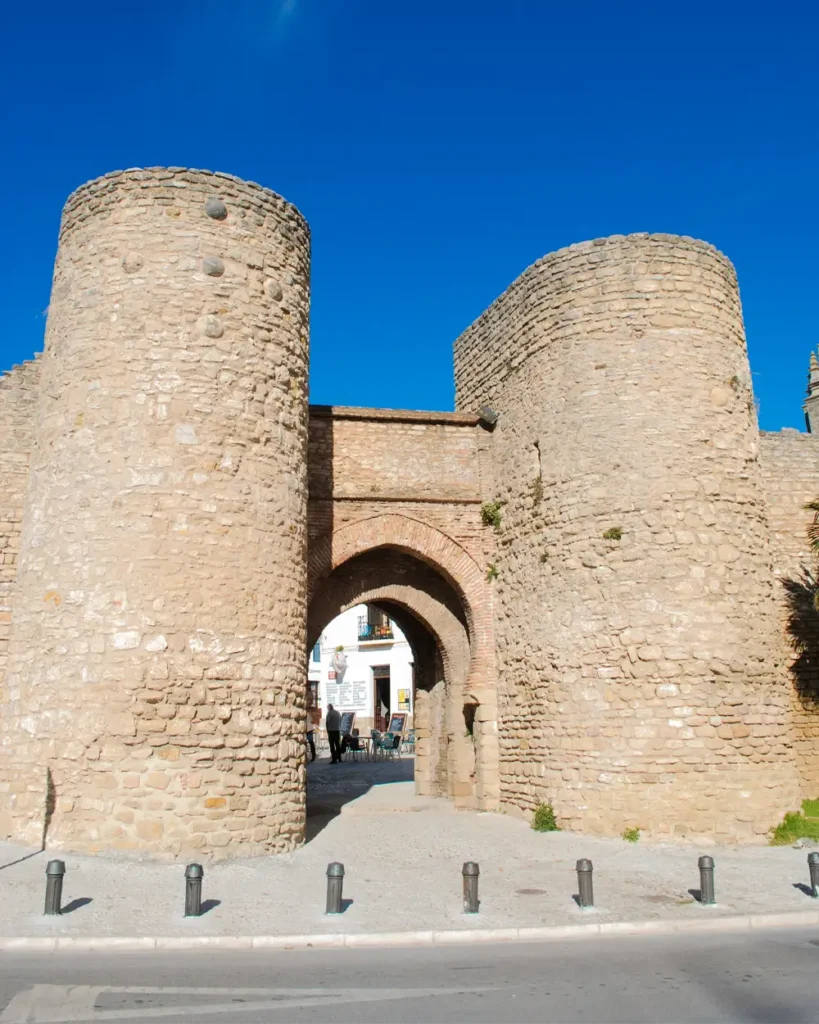
Puerta de Almocábar
This gate has witnessed eight centuries of history. The name itself tells a story—»Almocábar» comes from the Arabic «Al-Maqabir,» meaning «the cemetery», because a Muslim burial ground once lay just outside these walls.
- 10-15 min
- Free
- Old town
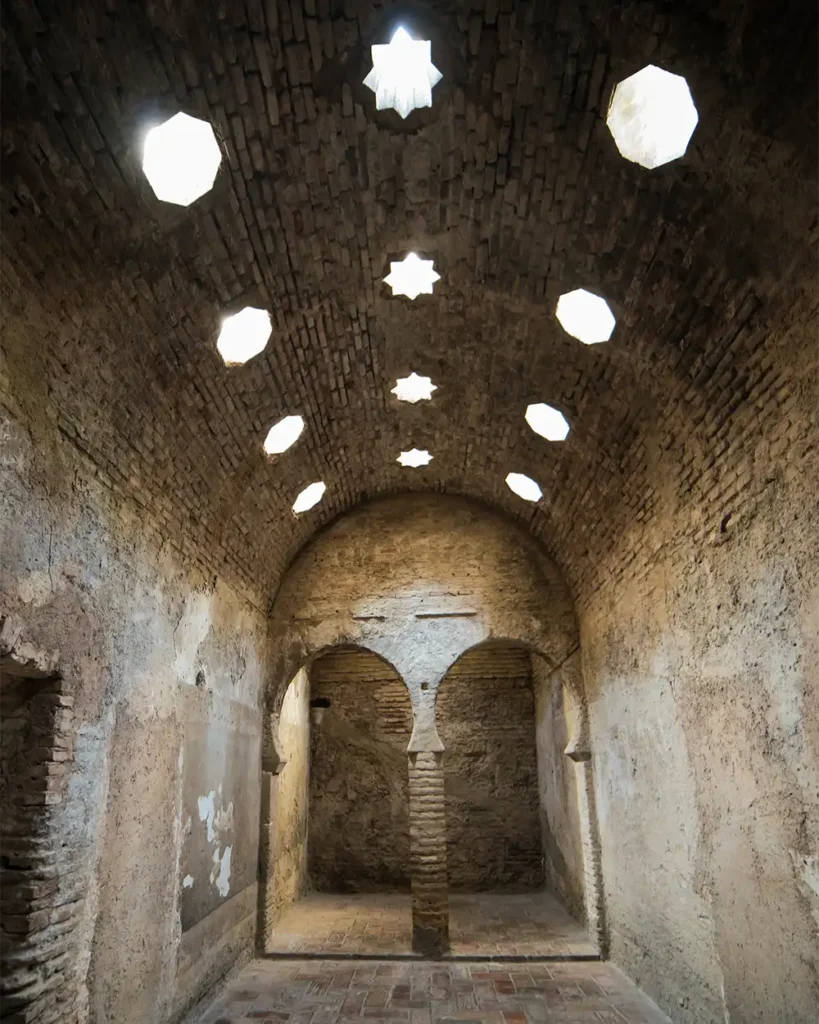
Arab Baths
Best-preserved 13th-century baths in Spain feature horseshoe arches, star-shaped skylights, and an original waterwheel system—visitors praise the informative audiovisual presentation despite the steep climb back to town.
- 30-45 min
- $4.50
- Former Jewish Quarter
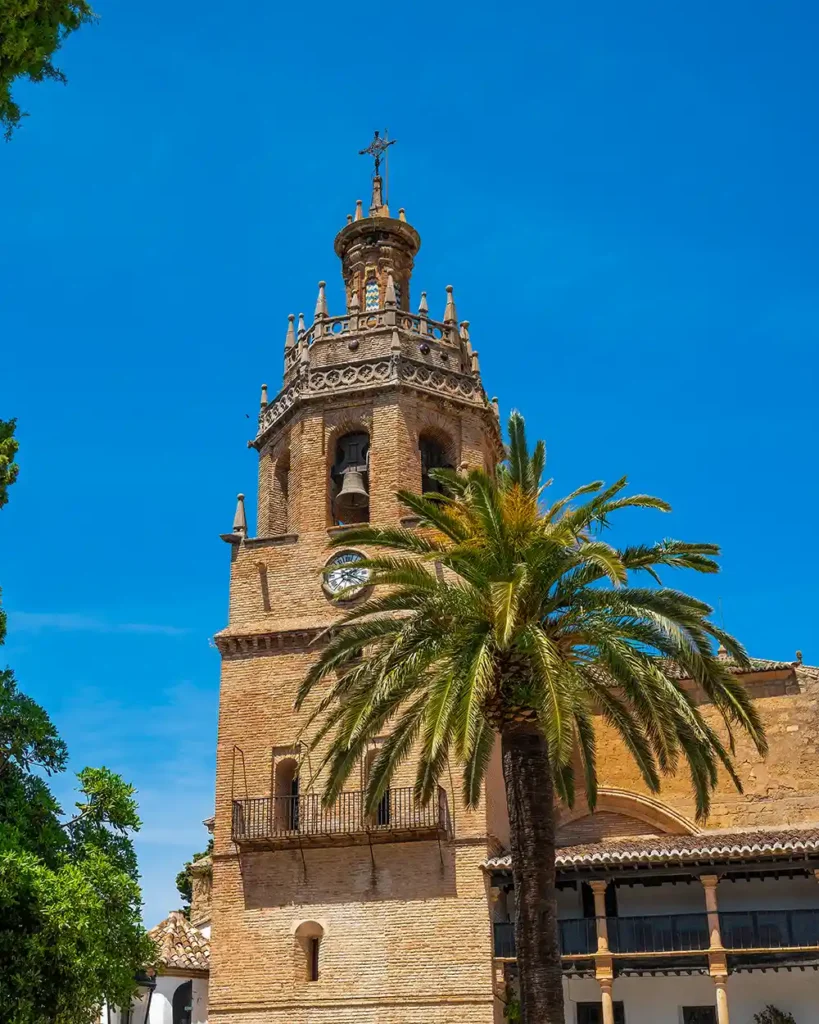
Santa María la Mayor
Former mosque converted to church blends Arabic inscriptions with Gothic architecture, featuring an unusual choir dividing nobility from commoners—climb the bell tower for outstanding panoramic views across Ronda.
- 45 min
- $4.50
- Old Town center
Frequently asked questions
How many days do you need in Ronda?
While Ronda can be visited as a day trip, staying 2-3 days allows you to fully experience the city without crowds, explore all the viewpoints at different times of day, and take day trips to nearby white villages like Setenil de las Bodegas.
How do I get to Ronda?
Ronda is easily accessible by car, train, or bus. If you’re driving, the city is well-connected via scenic mountain roads from Málaga, Seville, and other major Andalusian cities. The train journey from Málaga or Seville offers spectacular views of the countryside. Regular bus services also connect Ronda with nearby cities and towns, making it convenient for travelers without a car.
What's the weather like in Ronda?
Despite being located in Andalusia, Ronda’s weather can be quite different from coastal areas. Summers are hot and dry, with temperatures often reaching high levels. However, winters can be surprisingly cold due to the city’s elevation and inland location at over 750 meters above sea level. We recommend packing layers if you’re visiting during the cooler months, as temperatures can drop significantly, especially in the evenings.
What are the best things to see in Ronda?
The must-see attractions include Puente Nuevo bridge spanning the dramatic El Tajo gorge, Plaza de Toros (Spain’s oldest bullring), the well-preserved Arab Baths, and the stunning viewpoints throughout the Old Town. Don’t miss climbing the bell tower at Santa María la Mayor church for panoramic views. You can see our guide to things to do in Ronda for more information.
Where is Ronda located in Spain?
Ronda is located in the Málaga province of Andalusia, southern Spain. It sits in the Serranía de Ronda mountains, approximately 100km (1.5 hours) from Málaga, 135km from Seville, and 180km from Granada, making it easily accessible from major Andalusian cities.
Where should I stay in Ronda?
Ronda offers excellent accommodation options ranging from luxury paradors to boutique hotels. For detailed recommendations on the best hotels in Ronda, including locations near the bridge and in the Old Town, check our best hotels in Ronda list.
What is the best time to visit Ronda?
The best times are spring (April-May) and fall (September-October) when temperatures range between 20-25°C. Summer can be warm but less crowded than coastal areas. Winter is mild but rainier, though you’ll have the city mostly to yourself.