

The Arab Bath of Ronda
The Baños Árabes de Ronda are among the best-preserved Arab baths in the entire Iberian Peninsula. And trust me, I can tell you that most tourists rush past this treasure on their way to the Puente Nuevo, not realizing they’re missing one of the most authentic medieval experiences in all of Andalusia.
A Journey Back to Medieval Al-Andalus
To understand why these baths matter, you need to picture Ronda during its golden age under the Nasrid Kingdom of Granada. Between the 13th and 15th centuries, Ronda wasn’t just another town—it was the westernmost stronghold of Islamic Spain, a strategic fortress guarding the frontier between the Nasrid sultanate and Christian Castile.
The city’s position made it vital for communications between Granada and the Merinid dynasty in North Africa via the Strait of Gibraltar. This importance is reflected in the urban planning of medieval Ronda, with magnificent structures like the Casa del Gigante palace and, of course, these extraordinary baths.
The Repartimiento records mention at least four bathhouses in Islamic Ronda, but this hammam near the river was the grandest. Why? Because unlike the smaller baths in the medina proper, this one had something essential: abundant water.
The Genius of Islamic Engineering
Standing in the cold room, I’m always struck by how brilliantly the medieval engineers solved the water supply challenge. They built a water wheel (noria) at the confluence of the Culebras stream and the Guadalevín river, then channeled water through a small aqueduct directly into the bath complex.
But here’s what most visitors don’t realize: unlike Roman baths with their large immersion pools, these were primarily steam baths. The Muslims weren’t heating water—they were heating air. The system worked through an underground hypocaust (heating chamber) that transmitted heat from the furnace room (leñera) through the hot room, then to the temperate room, and finally to the cold room on the opposite end.
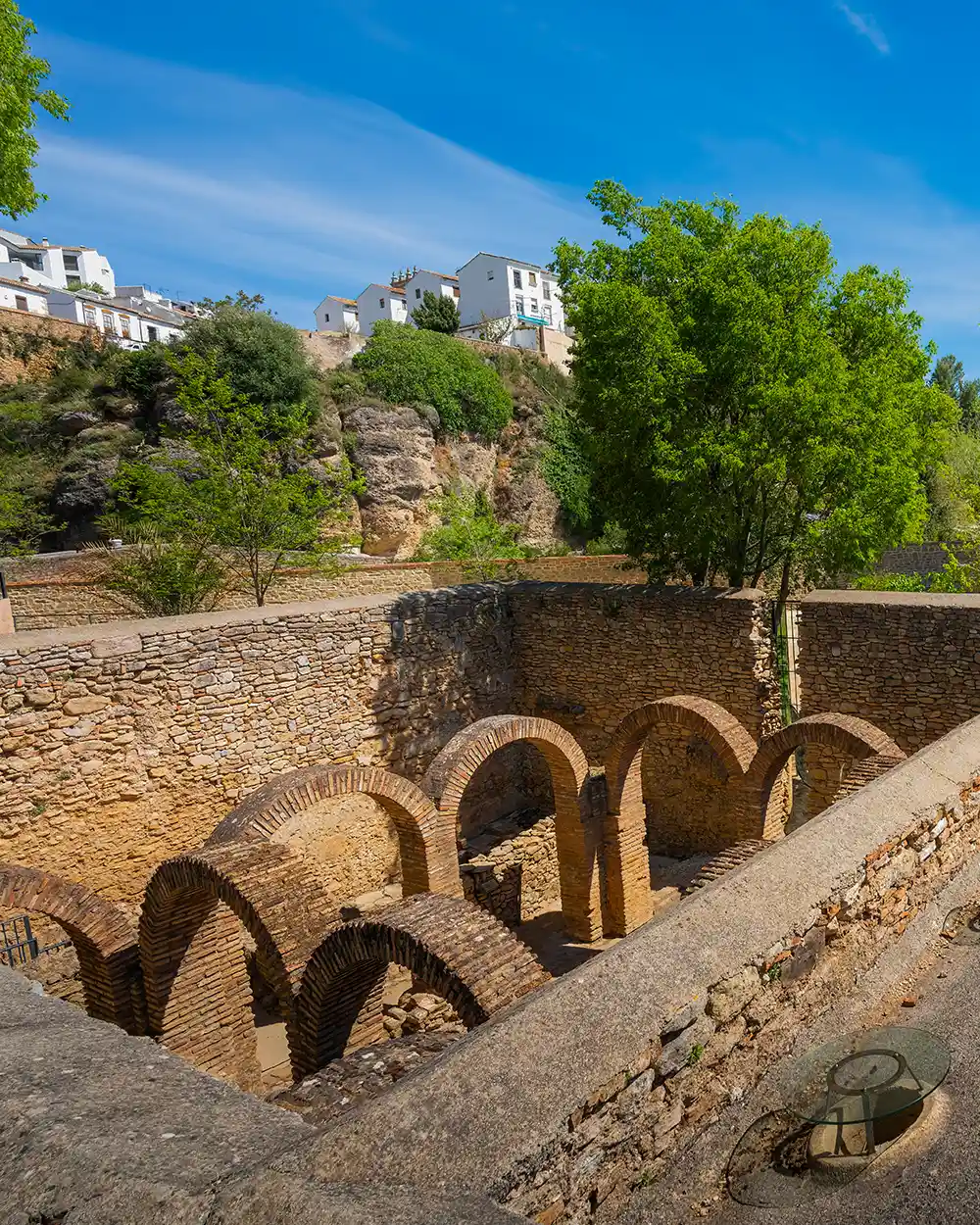
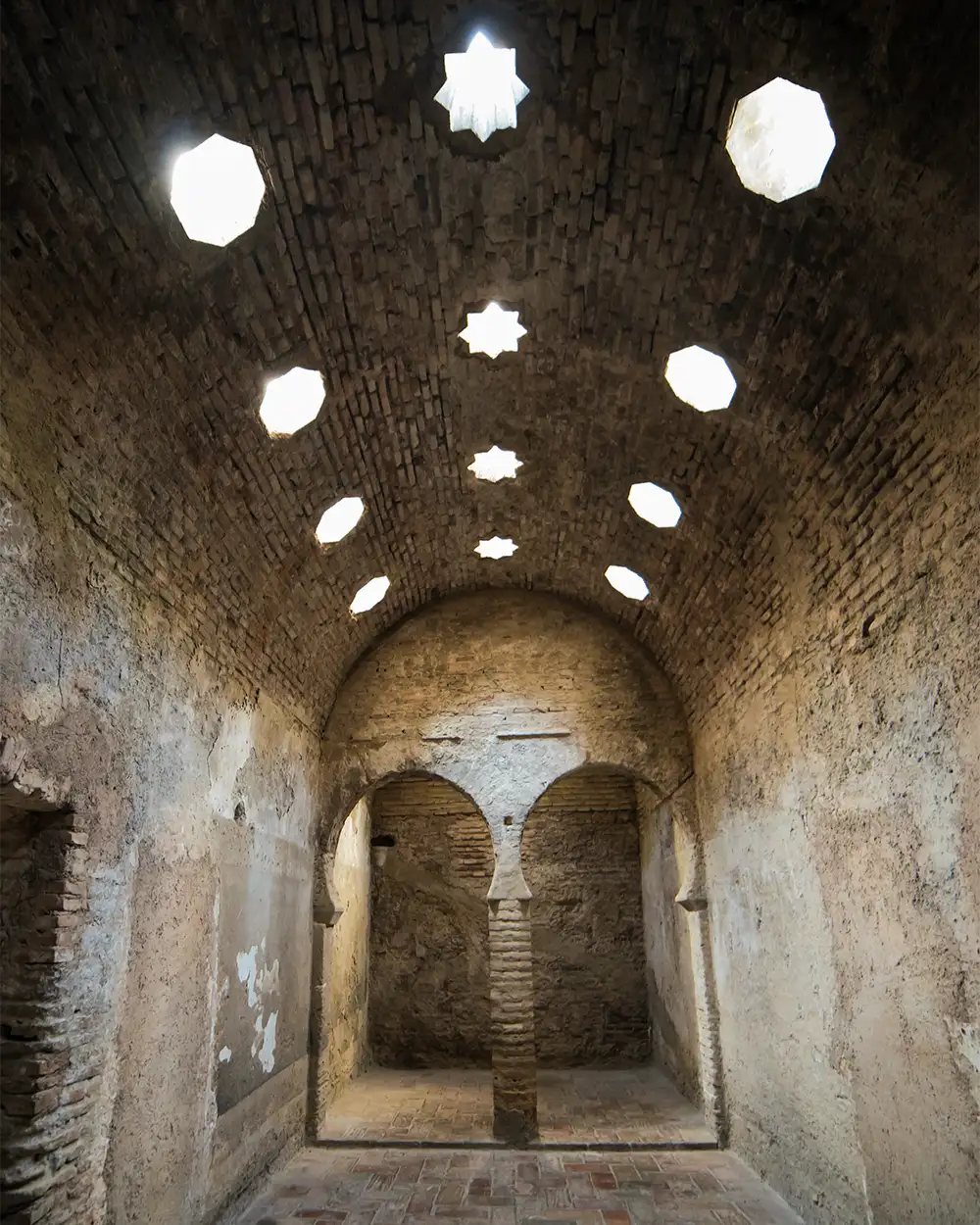
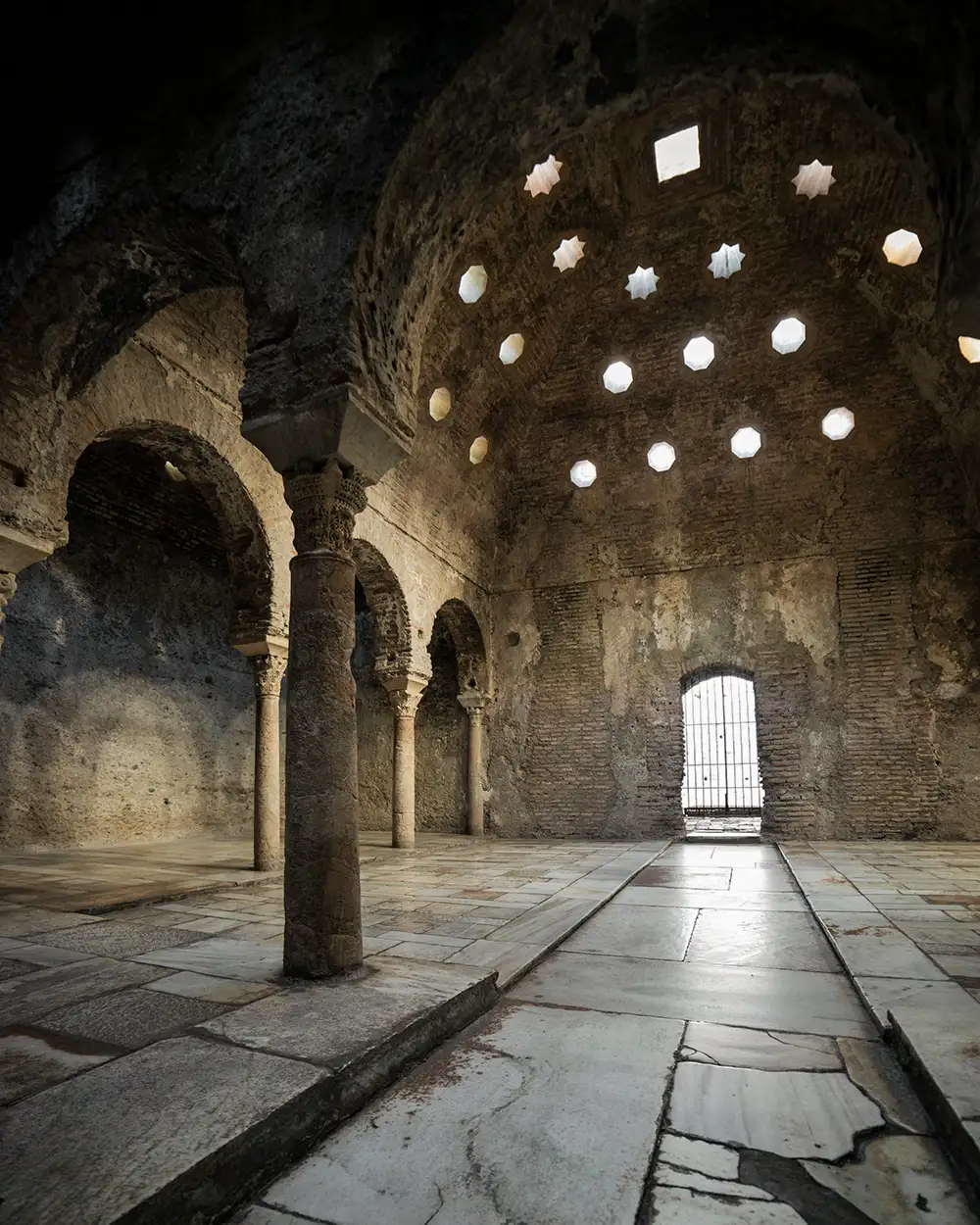
Walking through these spaces today, you can still see the genius of the layout. The brick and stone horseshoe arches supporting barrel vaults, the small domes punctured with star-shaped skylights that create these ethereal shafts of light—it’s architecture that serves both function and beauty. When I bring my friends from out of town here, they always pause in the temperate room, the largest space, just soaking in (no pun intended) the atmosphere.
More Than Just a Bath: A Social Hub
What the guidebooks often miss is that hammams weren’t just about getting clean. They were integral to Islamic culture for two crucial reasons: religious ritual and social life.
For Muslims, ritual purification was (and is) essential before prayer. But the baths also functioned as community centers—places to meet, gossip, conduct business, and socialize. Think of them as medieval wellness centers crossed with social clubs.
Their location near the disappeared Puerta de la Puente (Bridge Gate) wasn’t accidental. Travelers entering Ronda would visit the baths first, making them a kind of threshold to the city itself—similar to how one might enter a great mosque. This was standard practice across the Islamic world, and Ronda’s main bathhouse served this purpose beautifully.
Practical Information for Your Visit
Entry costs approximately €4.50. The baths are located in the San Miguel neighborhood, near the Arab Bridge (Puente Árabe), just off Calle Molino de Alarcón.
- Monday, Saturday & Sunday: 10:00-14:00 and 16:00-18:00
- Tuesday, Wednesday, Thursday & Friday: 10:00-18:00 (continuous)
What You'll See: A Room-by-Room Guide
The Furnace Room (Leñera)
This is where the magic happened. I’m always amazed at how well-preserved the boiler room is. There’s even a video presentation in the adjacent room that explains the baths’ history—definitely worth watching to understand the full context of what you’re seeing.
The furnace heated air that flowed beneath the floors. Workers would throw buckets of water onto the scorching floor of the hot room to create steam. A small cistern here stored water before distribution throughout the complex.
The Hot Room
Located closest to the furnace, this room would have been thick with steam. The heat rising from the hypocaust below made this the most intense space—perfect for opening pores and deep cleansing.
The Warm Room
The largest and most impressive space. When you stand here, look up at the vaulted ceilings and the star-shaped skylights—those aren’t just decorative. They allowed steam to escape while creating these beautiful patterns of light that change throughout the day. I recommend visiting in late afternoon when the light is particularly magical.
The Cold Room
The final stage of the bathing ritual. After the heat and steam, bathers would cool down here before moving to the entrance hall.
The Entrance Hall
Recent archaeological excavations uncovered the original staircase and the latrine. This area would have contained the changing rooms and services, organized around a small pool. Originally covered by a large dome supported by cruciform pillars and lowered arches, its current open arcade appearance is quite different from its medieval design.
The Gardens: An Unexpected Bonus
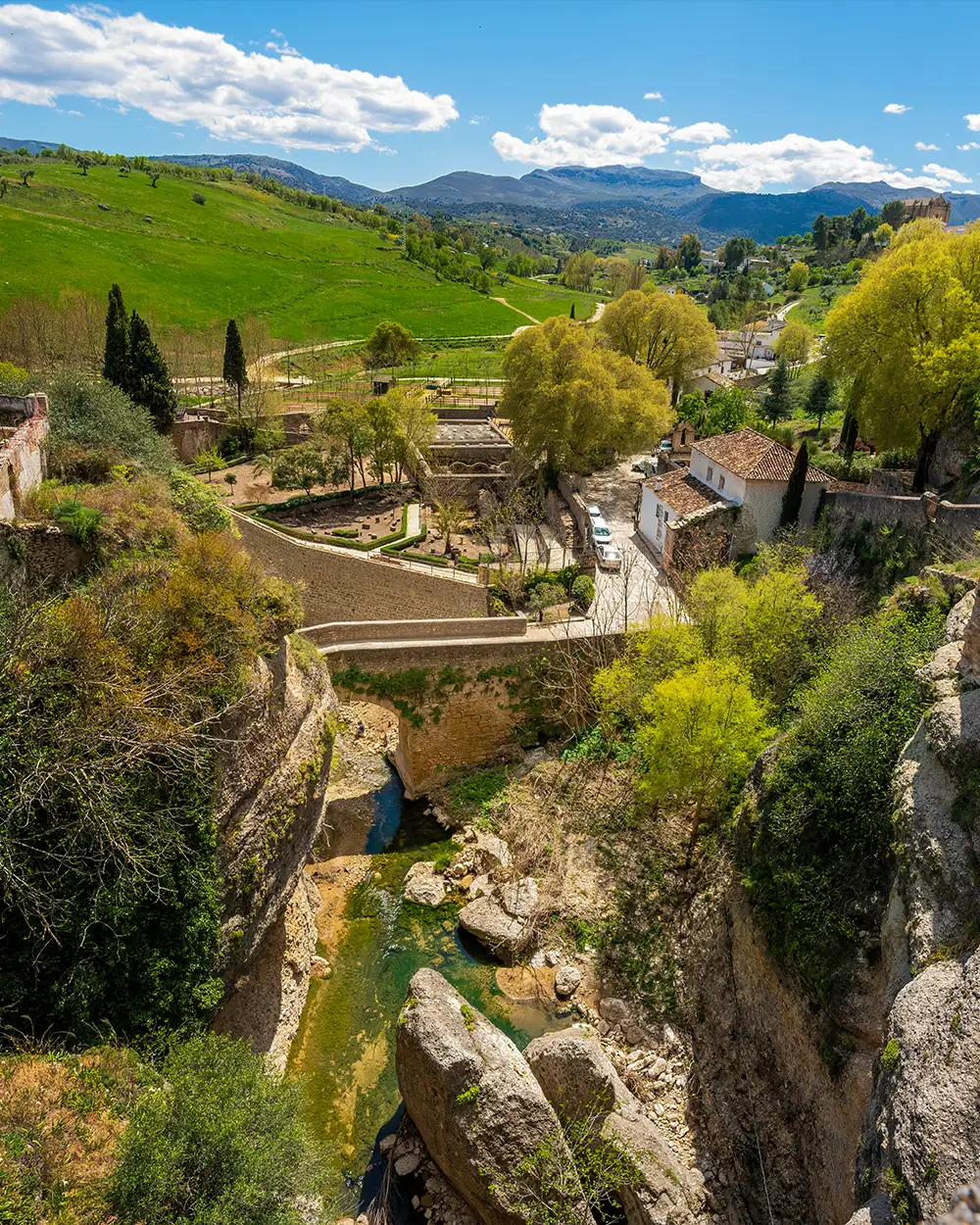
One of my favorite parts of visiting the baths is actually outside the main structure. The gardens are beautifully maintained, with fruit trees and flowers creating a peaceful oasis. You’ll also find some Roman remains scattered throughout—a reminder that Ronda’s history stretches back even further than the Islamic period.
There’s a small section of wall you can climb that offers lovely views of the surrounding area. On a quiet morning, this spot is perfect for reflection, and honestly, it’s one of those “secret Ronda” places that even some locals overlook.
The San Miguel Neighborhood
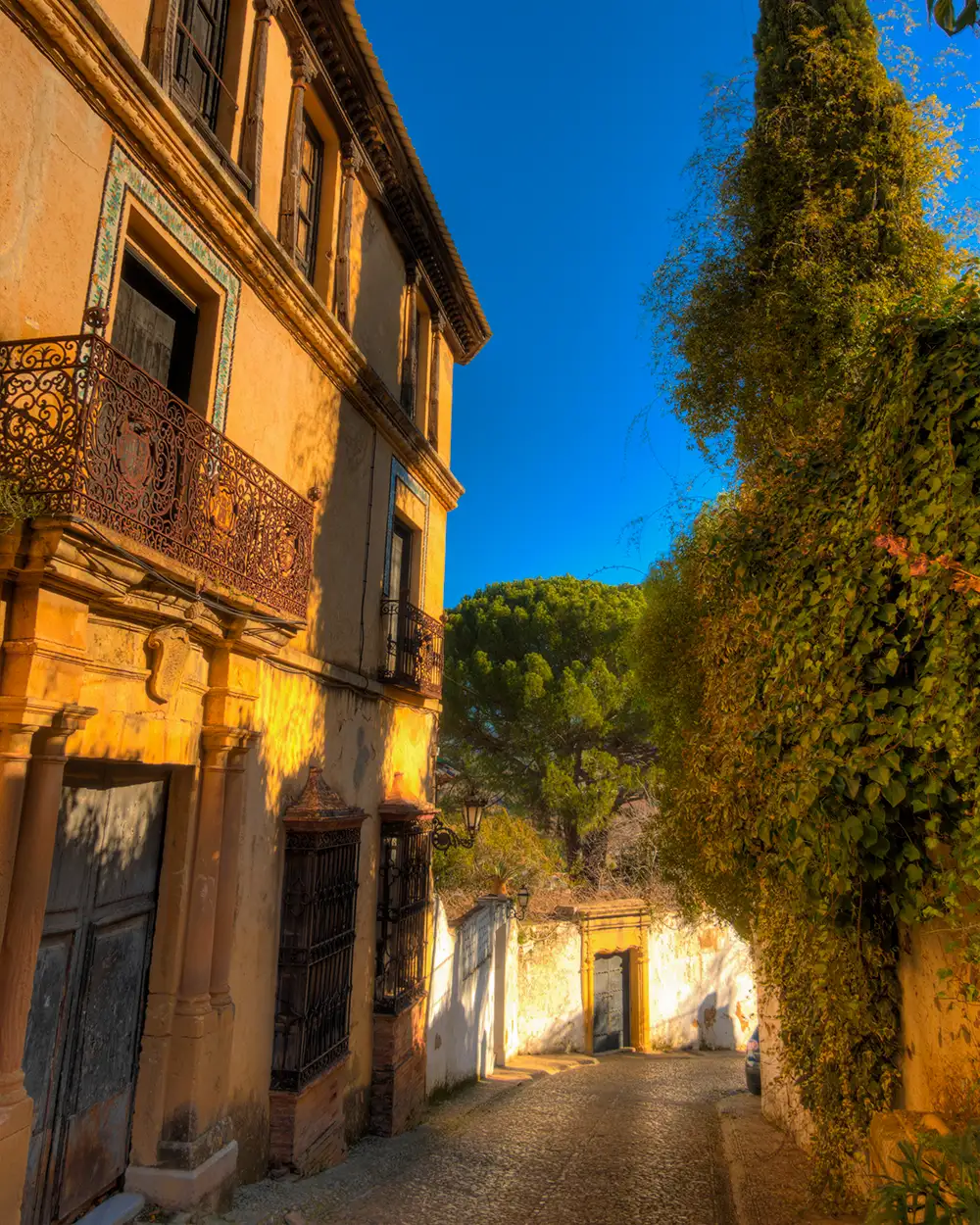
Today, the baths sit in what feels like the outskirts of town, which confuses many visitors. But during the Middle Ages, the San Miguel quarter was a thriving artisan and agricultural suburb, packed with workshops, tanneries, pottery kilns, and small homes connected by narrow winding streets—all enclosed within its own walls.
The neighborhood’s craft traditions are preserved in street names you can still find: Puente de las Curtidurías (Tanneries Bridge), Puerta de los Esparteros (Basket-makers’ Gate), and the path to the Ollerías (pottery workshops). Walking through here, I always try to imagine the bustling medieval arrabal it once was, with the hammam as just one element in a vibrant urban landscape.
Frequently asked questions
How old are the Arab Baths of Ronda?
The baths date from the 13th-14th centuries, built during the Nasrid Kingdom of Granada period when Ronda was an important frontier fortress.
Are the the best preserved in Spain?
Yes, they’re among the best-preserved Arab baths in the entire Iberian Peninsula, particularly notable for their intact structure and star-shaped skylights.
How much does it cost to visit?
Entrance costs approximately €4.50, which includes access to the baths and gardens.
How long does it take to visit the Arab Baths?
Plan for 45-60 minutes to properly explore the baths, watch the historical video, and stroll through the gardens.
What else should I see near the Arab Baths?
Visit the nearby Arab Bridge, walk along the Guadalevín river path, and explore the San Miguel neighborhood’s narrow streets to experience Ronda’s authentic character away from the tourist crowds. You can also take a look at our guide to the Old Town of Ronda.