

About us
- Home
- About us
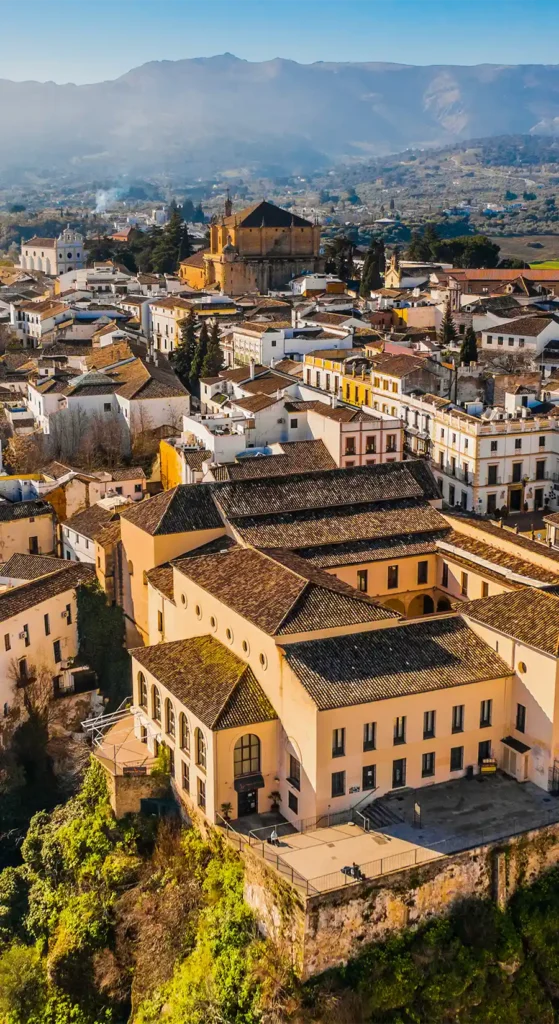
Ronda beyond the bridge
It frustrates us every single day.
Seeing the same handful of spots overrun with tourists while incredible hidden gems sit just steps away. The same generic tour. The same surface-level experience that travel agencies sell as “Ronda.”
Ronda and the Serranía aren’t like the typical tourist towns dotting the coast. This isn’t just another pretty pueblo blanco. What we have here is profoundly different—a living culture that has been preserved century after century, passed down through generations.
This is where bullfighting isn’t a show for tourists—it’s in our blood. Where Semana Santa isn’t a spectacle—it’s our soul. Where traditions don’t perform for cameras—they simply are.
And the food? Forget what you know from Málaga or Sevilla. Our gastronomy is something entirely its own. Here you’ll discover dishes you won’t find anywhere else: rich rabo de toro that melts off the bone, wild game like jabalí and venison from the surrounding mountains, traditional recipes that have fed families in these hills for generations.
We want to take you deeper.
Not a rushed morning visit before the bus leaves. Not the same five monuments everyone photographs. We want to show you the Ronda and Serranía we know—the hidden miradores, the family-run ventas, the trails that wind through cork forests, the stories that make these ancient stones come alive.
This is the true heart of Spain.
Frequently asked questions
How many days should I spend in Ronda?
While Ronda can be explored in a single day, we highly recommend staying for at least two or three days. This will give you enough time to fully experience the city’s main attractions at a relaxed pace and discover the charming white villages (pueblos blancos) in the surrounding area. A longer stay ensures you won’t miss any of Ronda’s hidden gems and allows you to truly immerse yourself in the local culture and atmosphere.
How do I get to Ronda?
Ronda is easily accessible by car, train, or bus. If you’re driving, the city is well-connected via scenic mountain roads from Málaga, Seville, and other major Andalusian cities. The train journey from Málaga or Seville offers spectacular views of the countryside. Regular bus services also connect Ronda with nearby cities and towns, making it convenient for travelers without a car.
What's the weather like in Ronda?
Despite being located in Andalusia, Ronda’s weather can be quite different from coastal areas. Summers are hot and dry, with temperatures often reaching high levels. However, winters can be surprisingly cold due to the city’s elevation and inland location at over 750 meters above sea level. We recommend packing layers if you’re visiting during the cooler months, as temperatures can drop significantly, especially in the evenings.
What are the must-see attractions in Ronda?
The most iconic landmark is the Puente Nuevo (New Bridge), which spans the dramatic El Tajo gorge and connects the old Moorish town with the newer part of the city. Other essential sites include the Real Maestranza bullring, one of the oldest in Spain, the Church of Santa María la Mayor in the beautiful Plaza Duquesa de Parcent, and the Mondragón Palace. All of Ronda’s main attractions are conveniently located within walking distance, making it easy to explore the city on foot in about 30 minutes from end to end.
Where is Ronda located in Spain?
Ronda is located in the Málaga province of Andalusia, southern Spain. It sits in the Serranía de Ronda mountains, approximately 100km (1.5 hours) from Málaga, 135km from Seville, and 180km from Granada, making it easily accessible from major Andalusian cities.