
Church of our Lady of mercy in Ronda
The Iglesia de Nuestra Señora de la Merced, also known as the Church of Our Lady of Mercy, stands as one of Ronda’s most fascinating religious monuments.
- Attractions
- Iglesia de la Merced
Why it's Worth Visiting
If you’re considering stopping by this church, here are three reasons that make the visit special:
Saint Teresa of Ávila's hand
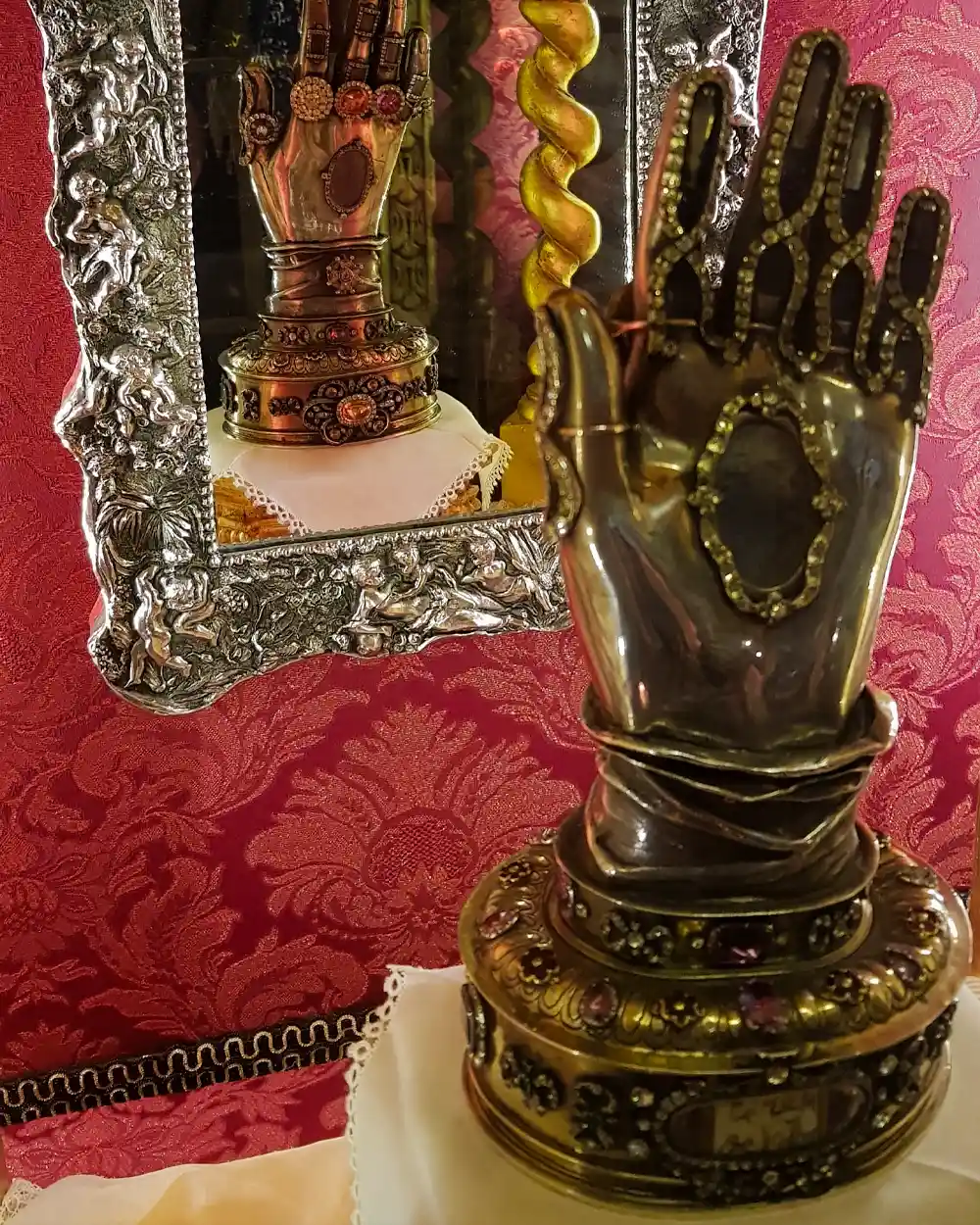
This is the church’s true treasure. Here you’ll find the incorruptible hand of Saint Teresa of Ávila, one of Spain’s most venerated relics. It’s not every day you can contemplate an object with such history and devotion, which passed through Franco’s own hands (no pun intended).
The nuns' sweets
The Carmelite nuns from the convent, just around the corner, make handcrafted sweets following centuries-old recipes. It’s one of those authentic experiences you won’t find in typical tourist guides: buying pastries made by the nuns themselves, just as it has been done for centuries.
The prime location
The church is situated in one of Ronda’s most beautiful areas, right next to the Alameda del Tajo. Within minutes you can be enjoying the views from the park, sipping wine at Entrevinos, or walking toward the Puente Nuevo. It’s a perfect stop on any route through the old town.
History and architecture
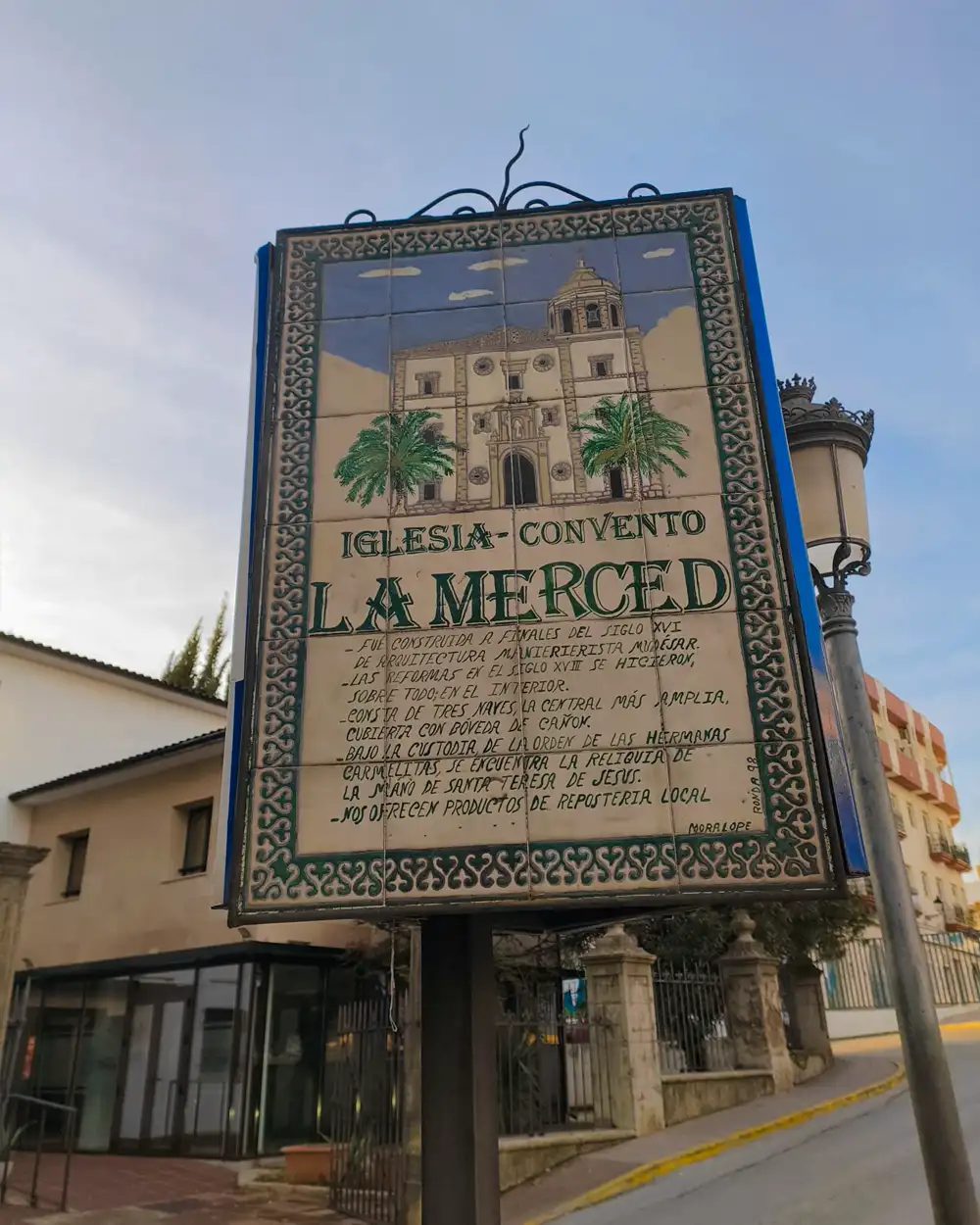
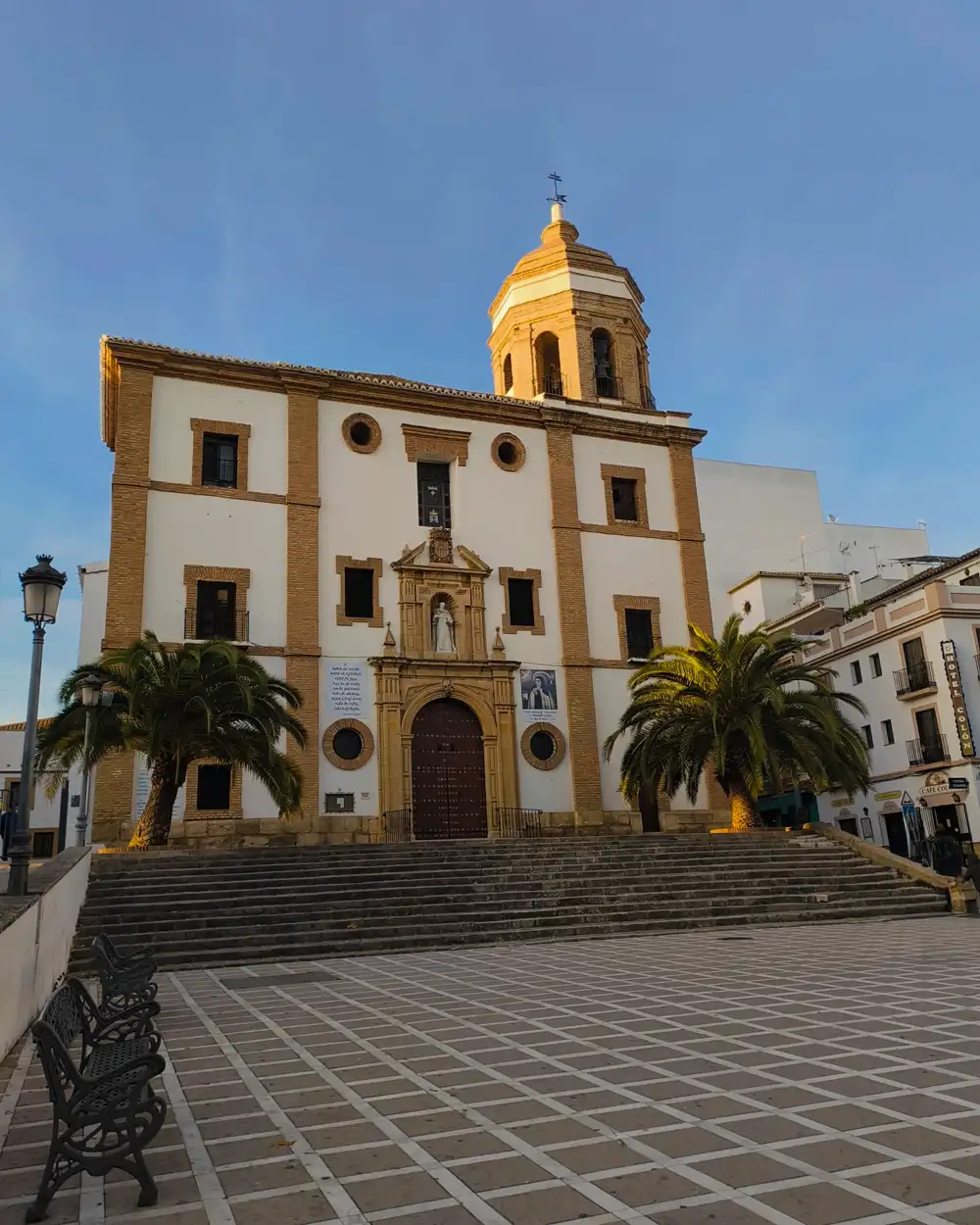
The church was founded in 1551, though construction of the current building—built after the convent itself was established—wasn’t completed until 1585, as documented in the historical archives and local history sources. The architectural style represents a beautiful fusion of Mannerist and Mudéjar influences, reflecting the rich cultural tapestry of post-Reconquista Andalusia.
Having visited this church dozens of times over the years, I can tell you that the interior layout is impressive. The church features three naves and a crossing that form a Latin cross floor plan—a design that creates a sense of grandeur as you enter. The central nave is covered by a barrel vault with lunettes and ribs that rest on a projecting cornice over double pilasters decorated with plaster plaques. The crossing is covered with a dome on a drum with paired windows, while the rectangular presbytery features a barrel vault with lunettes.
The exterior is particularly striking with its bichromatic appearance, where granite stands out against the white lime, though some of the stonework is actually brick. The facade consists of three sections of masonry divided by brick pilasters, with a stone doorway featuring a molded semicircular arch and caisson jambs.
Visiting the church
Attending mass
The Iglesia de Nuestra Señora de la Merced remains an active parish church serving Ronda’s Catholic community. Regular masses are celebrated here. If you’re interested in attending a service, this provides an authentic way to appreciate the spiritual atmosphere and witness the local community’s devotion firsthand. The church’s active religious calendar means it continues to serve its original purpose while welcoming tourists, creating a meaningful connection between past and present.
From personal experience, I recommend attending the Sunday morning mass if you want to see the church at its most authentic. The acoustics of the three naves create a beautiful resonance during hymns, and you’ll witness how this 16th-century space continues to serve its original purpose for the local community.
Cultural events
The church play a vital role in Ronda’s culture. One of the most notable events is Ronda Romántica, a festival that celebrates the city’s legendary bandit origins during the Spanish War of Independence. During this colorful festival, the plaza in front of the chuch transforms into a stage for historical reenactments. The church’s impressive facade serves as a dramatic backdrop for these performances.
How to get there
The church is easily accessible on foot and is located near the underground parking facility at Alameda del Tajo, making it convenient for those arriving by car. When entering Ronda from the west toward the Puente Nuevo, the church appears on the left side next to the alameda where the first public parking is located, approximately 200 meters from the Tajo.
The Chapel's Sacred Space
One of the most spiritually significant areas of the church is the camarín (chapel chamber), a special space where the sacred relic is housed. This ornate chamber, typical of Spanish Baroque religious architecture, serves as the intimate setting where the hand of Saint Teresa of Ávila is preserved and venerated.
The camarín represents more than just a display area—it’s a carefully designed devotional space that invites contemplation and prayer. When you visit, you’ll notice how the architecture directs your attention to the relic, creating an atmosphere of reverence that has remained unchanged for decades.
The sacred relic: the hand of Saint Teresa of Ávila
The Church of Our Lady of Mercy’s greatest claim to fame is its possession of one of the most venerated relics in Spain: the incorruptible hand of Saint Teresa of Ávila. This remarkable artifact has a fascinating and somewhat tumultuous history that spans centuries.
The church is home to the Discalced Carmelites of Ronda, a branch of the Carmelite Order within the Catholic Church known for their reform movement initiated by Saint Teresa of Ávila and Saint John of the Cross in the 16th century. The term “Discalced” literally means “without shoes,” symbolizing their commitment to a life of poverty, simplicity, and strict adherence to contemplative traditions.
The hand is displayed in an ornate gilded silver reliquary, adorned with beautiful pieces of jewelry among which stands out a stunning diamond laureate ring. The relic enjoys profound devotion among the people of Ronda.
A Journey Through History
The relic’s presence in Ronda has a complicated history. Before the Spanish Civil War (1936-1939), the hand was conserved here in Ronda. However, during the conflict, it was relocated to Málaga for safekeeping—a common practice to protect valuable religious artifacts during that turbulent period.
The hand remained away from Ronda for nearly four decades. According to historical accounts, during Franco’s dictatorship, the hand remained on a small altar in Franco’s room at El Pardo palace.
In 1975, following Franco’s death, the hand of Saint Teresa finally returned to this church-convent, where it has been honored by the Carmelite community ever since. For locals and regular visitors like myself, the return of this relic represents an important moment in Ronda’s recent religious history.
This sacred relic transforms La Merced from a simple church into a basilica, making it a significant pilgrimage site for Catholics from around the world.
Access and opening hours
The Iglesia de la Merced is located at Paseo Blas Infante, easily accessible on foot in the historic center. The church is open during mass times and for visits to venerate the relic of Saint Teresa.
What else to see nearby
The Church of Our Lady of Mercy benefits from an exceptional location in one of Ronda’s most attractive areas. After visiting the church, you’ll find yourself surrounded by some of the city’s finest attractions and amenities.
Alameda del Tajo
Directly adjacent to the church lies the Alameda del Tajo, arguably the most beautiful park in all of Ronda. This enchanting garden offers shaded walkways, stunning views over the Tajo gorge, and a peaceful atmosphere perfect for relaxing after exploring the church. The park features century-old trees, well-maintained flower beds, and several viewing points that provide breathtaking panoramas of the surrounding countryside.
At the far end of the Alameda, you’ll find the Plaza de Toros, Ronda’s famous bullring, which is one of the oldest and most prestigious in Spain. Even if you’re not interested in bullfighting, the building itself is an architectural masterpiece worth visiting.
Local tip: The best time to visit the Alameda is either early morning (around 8-9 AM) or late afternoon (6-7 PM) when the light is perfect for photography and the temperature is more comfortable. In summer, the shade of the century-old trees provides a welcome respite from the Andalusian sun.
Dining and wine tasting
The area around the church has recently seen exciting culinary developments. Taberna la Merced, a new restaurant located right next to the church, offers excellent value for money and authentic local cuisine in a convenient location for visitors.
Just around the corner, you’ll discover Vinoteca Entrevinos, an exceptional wine bar where you can sample some of the finest wines from the Serranía de Ronda and across Spain.
Convent sweets
Don’t miss the opportunity to purchase traditional convent sweets made by the Carmelite nuns themselves. Around the corner from the church, the Carmelite Convent sells delicious cakes and confectionery made in the monastery. These handcrafted treats, made following centuries-old recipes, make perfect gifts or a sweet reminder of your visit.
Library Dumas
Located right next to the church, Librería Dumas is a traditional bookstore. This charming bookshop offers a carefully curated selection of books, including English-language titles for international visitors. It’s the perfect place to find reading material about Ronda’s history, Andalusian culture, or simply pick up a novel to enjoy in one of the nearby parks.
The Historic Center
From the church, you’re just a short 5-10 minute walk from Ronda’s most iconic landmark, the Puente Nuevo. The walk takes you through charming streets of the historic center, passing traditional shops and local businesses. This proximity makes the Church of Our Lady of Mercy an ideal starting or ending point for exploring Ronda’s old town.
Frequently asked questions
Why visit the Iglesia de Nuestra Señora de la Merced?
The Church of Our Lady of Mercy offers a multifaceted experience combining 16th-century architecture, religious significance as home to Saint Teresa’s sacred relic, and authentic cultural immersion through regular masses and local festivals. Its prime location next to the Alameda del Tajo, Plaza de Toros, and excellent dining options makes it an ideal stop that goes beyond typical tourist attractions.
The church appears in specialized travel guides as one of Ronda’s treasures and is included in the official tourist routes of Andalusia.
What events happen at the Church of Our Lady of Mercy?
The church plaza hosts historical reenactments during Ronda Romántica festival and book stands during Día del Libro (World Book Day on April 23rd). It’s also used for regular religious ceremonies.
What is the relic of Saint Teresa at La Merced Church?
The church houses the incorruptible hand of Saint Teresa of Ávila, displayed in an ornate gilded silver reliquary. This sacred relic makes it a major pilgrimage destination for Catholics worldwide.